

Travelling to a new country is exciting, but navigating foreign cities can feel overwhelming for beginner travellers. New streets, unfamiliar public transport systems, and language barriers often make the experience stressful instead of enjoyable.
Many first-time international travellers worry about getting lost, choosing the wrong transport, or struggling to understand local directions.
The good news is that navigating any city becomes much easier once you know a few practical strategies.
In this guide, you will learn simple and reliable techniques for navigating foreign cities, including how to use digital maps, understand local transportation, avoid common mistakes, and move around confidently like an experienced traveller.
What is Navigating Foreign Cities? (Simple Explanation)
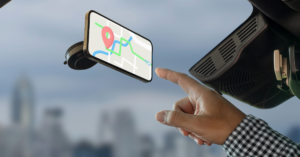
Navigating foreign cities means understanding how to move around safely and efficiently in a city that is unfamiliar to you. This includes finding directions, using public transportation, reading street signs, and locating important places like hotels, restaurants, and tourist attractions.
For beginner travellers, navigation is not only about reaching destinations. It is also about learning how to read a city, understand its layout, and adapt to different transport systems.
Modern travel tools such as GPS maps, travel apps, offline navigation, and public transport guides have made exploring international cities much easier than it was in the past.
When you know how to navigate properly, you can:
- Save time during your trip
- Avoid unnecessary stress
- Discover hidden places and local neighbourhoods
- Travel more safely and confidently
In simple terms, good navigation skills turn a confusing city into an exciting place to explore.
Why Navigating Foreign Cities is Important for Beginner Travellers?
For experienced travellers, moving around a new city feels natural. But beginners often face challenges like confusing metro systems, unfamiliar road layouts, and language barriers.
Learning how to navigate effectively can improve your entire travel experience.
1. It Saves Time
Getting lost can waste hours during a trip. Understanding maps and transport routes helps you reach destinations quickly.
2. It Reduces Travel Stress
When you know how to find your way, you feel more relaxed and confident exploring new places.
3. It Helps You Travel on a Budget
Using public transport correctly instead of taxis can save a lot of money.
4. It Improves Travel Safety
Knowing your surroundings helps you avoid unsafe areas and stay aware of your location.
5. It Allows You to Explore Beyond Tourist Areas
Confident navigation allows travellers to visit local markets, neighbourhood cafes, and cultural spots that many tourists miss.
Navigating Foreign Cities: A Beginner’s Step-by-Step Guide
Here are 10 practical steps beginner travellers can use to navigate international cities easily and safely.
1. Study the City Map Before You Arrive
Before your trip, spend a few minutes studying the city layout.
Look for:
- Main neighbourhoods
- Major transport hubs
- Popular attractions
- Your accommodation location
Understanding the general structure of a city helps you feel oriented from the first day.
Example:
If you are visiting Paris, knowing that the Seine River divides the city can help you understand directions more easily.
Pro Tip:
Save a screenshot of the city map on your phone in case you lose internet access.
2. Download Offline Maps
Internet access is not always available while travelling. Offline maps allow you to navigate without using mobile data.
Popular navigation apps include:
- Google Maps offline mode
- Maps.me
- City-specific transport apps
These apps help travellers find directions, walking routes, and public transport stations even without Wi-Fi.
Pro Tip:
Download maps for the entire city before leaving your hotel.
3. Learn the Local Public Transportation System
Most major cities rely on efficient public transport networks such as:
- Metro or subway
- Trams
- Buses
- Local trains
Understanding these systems helps you move around quickly and affordably.
Example:
In cities like London, Tokyo, or Berlin, the metro system connects almost every major location.
Pro Tip:
Search for a day travel pass or tourist transport card to save money.
4. Save Important Locations on Your Map
Before heading out each day, mark key places on your map.
These may include:
- Your hotel or accommodation
- Nearest metro station
- Restaurants you want to try
- Tourist attractions
- Emergency services
Saved locations allow you to quickly find directions if you get confused.
Pro Tip:
Label your hotel as “Home” in your navigation app for easy return.
5. Walk When Possible
Walking is one of the best ways to explore foreign cities.
Benefits of walking include:
- Discovering hidden streets and local shops
- Understanding neighbourhood layouts
- Experiencing local culture
Many famous cities such as Rome, Barcelona, and Amsterdam are extremely walkable.
Pro Tip:
Wear comfortable shoes and carry a portable charger for your phone.

6. Learn the Local Transport System for Smoother City Navigation
Even a few simple words in the local language can make navigation easier.
Helpful phrases include:
- Where is the metro station?
- How do I get to this street?
- Left / Right / Straight
Using basic phrases often encourages locals to help travellers.
Pro Tip:
Use translation apps to show written addresses if pronunciation is difficult.
7. Use Landmarks While Navigating Foreign Cities Like a Pro
Street names in foreign countries can be difficult to remember or pronounce.
Instead, focus on major landmarks such as:
- Famous buildings
- Large parks
- Public squares
- Shopping streets
Landmarks help travellers quickly recognise their surroundings.
Example:
In New York City, Times Square is often used as a navigation reference point.
8. Keep Your Hotel Address Accessible
Always carry your accommodation address.
You may need it when:
- Taking a taxi
- Asking locals for directions
- Returning late at night
Pro Tip:
Keep the address saved in your phone and also written on paper.
9. Stay Aware and Confident When Navigating Foreign Cities
Good navigation also means staying aware of your environment.
Pay attention to:
- Street signs
- Transport station names
- Nearby landmarks
This awareness helps you recognise when you are moving in the wrong direction.
Pro Tip:
Pause occasionally to confirm your route rather than walking too far off track.
10. Give Yourself Extra Time to Explore
Beginner travellers often plan tight schedules. However, navigating new cities takes time.
Allow flexibility in your itinerary so you can:
- Adjust routes easily
- Stop for photos or local shops
- Enjoy the city without rushing
Travelling slowly often leads to better experiences and unexpected discoveries.
Common Mistakes to Avoid When Navigating Foreign Cities
Beginner travellers frequently make simple navigation mistakes that can cause unnecessary stress.
Here are some common ones to avoid.
Relying only on internet data
Always download offline maps as a backup.
Ignoring public transport information
Learning metro lines in advance saves time.
Not checking distance between attractions
Some landmarks may look close on a map but require long travel times.
Carrying low phone battery
Navigation apps drain power quickly.
Panicking when lost
Getting slightly lost is normal and often part of the travel adventure.
Smart Travel Hacks for Navigating Foreign Cities Easily
These simple travel tips can make navigating international cities much easier.
- Use Google Maps walking mode for accurate directions.
- Travel during off-peak hours to avoid crowded transport.
- Save offline screenshots of metro maps.
- Follow locals during busy commute times to find major stations.
- Use ride-sharing apps if public transport is confusing at night.
Small preparation steps can make a huge difference during your trip.
Conclusion
Learning the basics of navigating foreign cities is one of the most valuable travel skills for beginners. Once you understand how to read maps, use public transportation, and recognise landmarks, exploring new destinations becomes much easier and more enjoyable.
Instead of worrying about getting lost, you will feel confident walking through new streets, discovering local neighbourhoods, and experiencing the culture of each destination.
If you are planning your first international trip, continue exploring beginner travel guides on NewbieTravels.com to learn more smart tips that make travelling simple, safe, and unforgettable.
Frequently Asked Questions
Is navigating foreign cities difficult for beginners?
Not usually. With modern navigation apps, offline maps, and public transport guides, most travellers can move around easily after the first day.
What is the best app for navigating foreign cities?
Google Maps is one of the most reliable navigation apps. It offers walking routes, public transport directions, and offline map downloads.
Should beginners rely on taxis or public transport?
Public transport is usually cheaper and faster in large cities. However, taxis or ride-sharing services can be helpful late at night or when travelling with luggage.
How do travellers avoid getting lost in a new city?
Using offline maps, saving important locations, and recognising major landmarks helps travellers stay oriented.
Is it safe to explore foreign cities alone?
Most major tourist cities are safe when basic precautions are followed. Stay aware of your surroundings, avoid isolated areas at night, and keep your belongings secure.