Travel is supposed to feel exciting, but for many people living with anxiety or OCD, even the thought of leaving home can feel overwhelming. Using travel affirmations for anxiety can help reduce stress and build confidence before a trip.
Thoughts like “Did I lock the door?”, fear of contamination during flights, intrusive thoughts while traveling, or repeatedly checking bags and documents can turn a simple trip into emotional exhaustion.
If you’ve searched for things like Travel planning with OCD, Packing OCD, Checking OCD before flights, or Contamination OCD travel, you’re not alone.
Millions of travelers silently struggle with anxiety-related travel stress every year. The good news is that travel does not have to feel impossible.
This guide shares calming travel affirmations specifically designed for anxious travelers, overthinkers, and people dealing with OCD-related travel fears.
These affirmations are not magic solutions, but they can help interrupt negative thought spirals, reduce panic, and create a sense of emotional control while traveling.
According to clinical psychologist and travel anxiety expert Dr. Sally Winston, “Anxiety grows when we demand certainty from uncertain situations.”
Travel naturally involves uncertainty, and learning to manage that uncertainty is one of the most powerful steps toward peaceful travel experiences.
World-renowned mindfulness teacher Jon Kabat-Zinn also explains:
“You can’t stop the waves, but you can learn to surf.”
That mindset is especially important for travelers dealing with intrusive thoughts, airport anxiety, contamination fears, or compulsive checking behaviors before a flight.
-
Whether you are:
-
Planning your first solo trip with anxiety or preparing for flying alone for the first time
-
Struggling with OCD travel routines
-
Constantly rechecking luggage, passports, or tickets
-
These calming travel affirmations can help ground your mind and make travel feel safer, lighter, and more manageable.
-
In this guide, you’ll also learn:
-
Stress-free travel planning tips: Keep your plan simple, pack once with a checklist, and allow a little flexibility instead of trying to control every detail.
-
How to calm travel anxiety naturally using a dedicated travel anxiety toolkit
-
How to manage OCD symptoms during travel
-
At Newbie Travels, our goal is to create supportive, experience-based travel content for beginners, anxious travelers, and people who want to explore the world without feeling mentally overwhelmed.
Every recommendation in this guide is written with empathy, practical travel understanding, and mental wellness awareness.
Because travel should feel freeing

Understanding OCD in Travel Situations
OCD during travel is often driven by the need for certainty in an unpredictable environment. Airports, hotels, public transport, and unfamiliar places can trigger anxiety due to a lack of control.
Common OCD Travel Patterns:
- Repeatedly checking tickets, passports, or luggage
- Fear of contamination in airports, hotels, or public restrooms
- Intrusive thoughts about “something going wrong.”
- Excessive packing and repacking items
- Seeking constant reassurance before and during travel
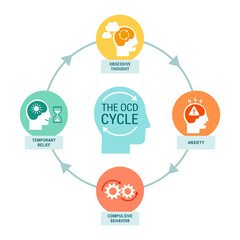
These behaviors may temporarily reduce anxiety but often reinforce long-term OCD cycles.
Why Travel Triggers OCD and Anxiety
-
If you’ve ever asked yourself, “why does travel make me anxious?“, the answer often comes down to predictability. Travel introduces multiple uncertainty factors:
-
New environments
-
Time pressure (flights, boarding, connections)
-
Hygiene concerns
-
According to clinical psychology research, OCD symptoms intensify in situations where control feels reduced. Exposure to uncertainty is one of the main triggers of compulsive behavior.
Mental health professionals at the American Psychological Association emphasize that OCD is maintained by avoidance and compulsive reassurance behaviors, especially in high-stress environments like travel.
Types of Travel OCD Anxiety
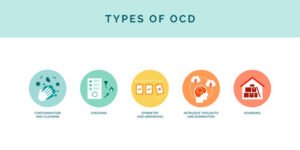
Travel can trigger different forms of OCD-related anxiety, especially when routines change and uncertainty increases.
Understanding the specific type of anxiety you experience can make travel planning with OCD anxiety more manageable and effective.
1. Contamination OCD During Travel
This type of anxiety is common when traveling through airports, hotels, public transport, or restrooms. Concerns may include germs, cleanliness, or exposure to illness, leading to excessive handwashing or avoidance of certain places.
Travel triggers include:
-
Shared bathrooms and hotel rooms
-
Airplane seats and tray tables
-
Crowded tourist attractions
2. Checking OCD Before and During Trips
Checking OCD often intensifies while traveling due to the fear of forgetting something important. This can result in repeated checking of luggage, locks, documents, or reservations.
Common behaviors include:
-
Rechecking passports, tickets, or bookings
-
Repeatedly confirming hotel or flight details
-
Anxiety about leaving things behind
This form of anxiety directly affects travel planning with OCD anxiety, especially during packing and departure.
3. Harm or Safety-Focused OCD
Some travelers experience intrusive thoughts about accidents, injuries, or worst-case scenarios. These thoughts may not reflect real danger, but can feel overwhelming.
Examples include:
-
Fear of flights, public transport, or road travel
-
Worry about personal safety in unfamiliar places
-
Avoidance of certain destinations or activities
4. Order and Symmetry OCD While Traveling
Disrupted routines and unfamiliar environments can trigger discomfort related to order or symmetry. Hotels, shared spaces, and packed schedules may intensify stress.
Common challenges include:
-
Discomfort with messy hotel rooms
-
Stress when plans change unexpectedly
-
Difficulty adapting to flexible itineraries
5. Health-Related OCD and Travel Anxiety
This type of OCD anxiety focuses on physical health concerns, often overlapping with travel anxiety.
Typical worries include:
-
Fear of getting sick while traveling
-
Anxiety about medical access abroad
-
Obsessive monitoring of physical symptoms
Effective travel planning with OCD anxiety can help reduce these fears by preparing health resources in advance.
6. Responsibility OCD While Traveling
Some travelers feel excessive responsibility for things going wrong, even when events are outside their control.
This may involve:
-
Fear of making the “wrong” travel decision
-
Guilt over itinerary changes or delays
-
Pressure to control every detail of the trip
Why Identifying Your OCD Type Matters
Managing OCD while traveling helps you understand your triggers and apply simple coping strategies that make trips feel more controlled and less overwhelming.
Recognizing your specific travel OCD anxiety allows you to create personalized coping strategies. Tailored travel planning with OCD anxiety helps reduce stress, improve confidence, and make travel more enjoyable.
Travel Planning with OCD: Step-by-Step Coping Strategies
Anxiety-friendly trip preparation makes travel easier by keeping plans simple, clear, and easy to follow step by step.
1. Build a Structured but Limited Travel Plan
Organized travel planning for anxiety helps reduce overwhelm by breaking the trip into small, simple steps that are easier to manage.
Planning helps reduce anxiety—but over-planning increases OCD loops.
Healthy approach:
- Create a simple checklist (passport, tickets, essentials)
- Set a “planning limit” (avoid repeated revisions)
- Use one trusted source for bookings
Travel expert Rick Steves advises that travelers should focus on preparation, not perfection—because flexibility is part of real travel.
2. Managing Packing OCD
Packing OCD often leads to repeated checking and unnecessary items.
Practical solution:
- Pack using a fixed checklist once
- Close the bag after completion (avoid reopening unless necessary)
- Accept “good enough” packing instead of perfect packing
Ask yourself: “Do I need this, or is this anxiety-driven?”
3. Coping with Contamination OCD Travel Anxiety
Airports, airplanes, and public spaces often trigger contamination fears.
Helpful strategies:
- Carry minimal hygiene essentials (not excessive items)
- Focus on basic hygiene, not perfection
- Avoid repeated cleaning rituals
- Gradually expose yourself to “safe uncertainty”
Clinical exposure therapy principles suggest that controlled exposure reduces anxiety sensitivity over time.
4. Handling Intrusive Thoughts While Traveling
Intrusive thoughts are unwanted and do not reflect reality.
Key techniques:
- Label thoughts as “OCD thoughts” rather than facts
- Do not engage in mental arguments with them
- Redirect attention to external environment (sounds, visuals, movement)
- Practice grounding techniques (breathing, sensory awareness)
5. Reducing Checking OCD Before Flights
Repeated checking is one of the most common OCD travel behaviors.
Strategy: One-check rule
- Check documents once only
- Lock doors once only
- Confirm bookings once only
Then intentionally stop—even if anxiety remains.
This builds tolerance to uncertainty, which is essential for recovery.
What Travel Experts Recommend
Leading travel platforms like Lonely Planet highlight that unpredictability is part of every journey. Over-controlling travel plans often reduces enjoyment and increases stress.
Combining travel expertise with psychological strategies creates a balanced approach:
Plan smart → Accept uncertainty → Travel freely
Psychological Perspective
From a clinical standpoint, OCD is maintained by:
- Avoidance of uncertainty
- Compulsive reassurance behaviors
- Overestimation of risk
Effective approaches often include:
- Cognitive Behavioral Therapy (CBT)
- Exposure and Response Prevention (ERP)
- Gradual reduction of compulsions
These methods are widely supported in evidence-based mental health practice.
Practical Travel Survival Tips for OCD Travelers
How to reduce travel stress with OCD is by planning in simple steps, avoiding repeated checking, and focusing on what you can control instead of what you cannot.
- Keep routines simple and consistent
- Avoid last-minute overchecking
- Use reminders instead of repeated mental review
- Focus on experience, not perfection
- Accept discomfort as temporary
Final Thoughts: You Deserve to See the World, At Your Pace, OCD, and Traveling
Travel doesn’t need to be epic to be meaningful. Whether you go across the world or just two hours from home, what matters is how you take care of yourself in the process. Let your mental health guide you—not stop you.
This blog will continue with detailed sections on:
-
Choosing mental health-safe travel destinations
-
Daily travel mental health check-ins
-
What to do if you need help while abroad
-
Self-soothing tools for OCD, anxiety, and depression on the road
You are capable. You are brave. And you can travel—mindfully, beautifully, and with your whole heart.
Subscribe or bookmark this post to keep learning how to travel with your mental health in mind.
FAQs: Traveling with OCD Anxiety
What is travel planning with OCD anxiety?
Travel planning with OCD anxiety involves preparing for a trip while considering your mental health needs. It includes creating structured itineraries, anticipating triggers, and using coping strategies to reduce stress during travel.
How can I manage anxiety while traveling?
To manage anxiety during travel, try breaking tasks into small steps, practicing mindfulness, and using relaxation techniques. Effective travel planning with OCD anxiety also includes backup plans and familiar routines to reduce uncertainty.
Are there tips for solo travelers with OCD anxiety?
Yes! Solo travelers with OCD anxiety can benefit from detailed planning, setting realistic expectations, choosing familiar accommodations, and connecting with supportive online communities before and during the trip.
Can therapy help with travel planning with OCD anxiety?
Absolutely. Techniques learned in therapy, like cognitive-behavioral strategies, can help you plan and enjoy trips with less stress. Professional guidance makes travel planning with OCD anxiety much more manageable.
How far in advance should I start planning a trip with OCD anxiety?
Starting early is ideal. Begin planning at least a few months in advance, allowing enough time to research, prepare mental and practical resources, and reduce stress before departure.Why does OCD get worse before traveling?
Travel increases uncertainty, which triggers compulsive behaviors as a coping mechanism.
How can I stop checking things repeatedly before a flight?
Use a one-time checklist rule and resist repeating the process, even if anxiety persists.
Can people with OCD travel normally?
Yes. With structured coping strategies and gradual exposure, travel becomes manageable.
How do I deal with contamination fears while traveling?
Focus on basic hygiene standards and avoid excessive cleaning rituals.
What is the best therapy for travel-related OCD?
CBT and Exposure and Response Prevention (ERP) are the most effective evidence-based approaches.