Travel should feel exciting but for many people, it starts with tight chest feelings, “what if” thoughts, and mental overthinking before even packing a bag.
Beginner anxiety travel guide helps you understand simple steps to prepare mentally and reduce stress before any trip.
If you are here, you are likely not looking for “motivational quotes.” You are looking for something practical, something that actually helps you calm travel anxiety in real situations like airports, long flights, road trips, or unfamiliar places.
This travel anxiety toolkit is built around real coping behavior, not theory. It focuses on what actually helps in the moment:
- When your mind starts overthinking before travel
- When anxiety spikes at the airport security line
- When you feel trapped on a plane or bus
- When you fear something might go wrong during the journey
Many travelers describe it as a “loss of control feeling” even when everything is logically fine.
According to Rick Steves (European travel expert):
“Fear is often worse before the trip than during it. Once you move, confidence usually follows action.”
And Matt Kepnes (Nomadic Matt) often emphasizes:
“Most travel anxiety fades when you replace fear of the unknown with simple preparation.”
This toolkit is built exactly on that principle: prepare your mind before your bag.
What is a travel anxiety toolkit?
A travel anxiety toolkit is a set of mental, emotional, and practical coping strategies that help reduce stress, panic, and overthinking before and during travel.
How do you calm travel anxiety fast?
Use controlled breathing (4-7-8 method), grounding techniques, and focus shifting (music, object focus, or guided thoughts).
Does travel anxiety go away?
Yes, for most people it reduces significantly with exposure, preparation, and coping routines.
Travel Anxiety Toolkit for Traveling With Medication & Mental Health
Complete toolkit for travel anxiety helps you stay prepared with simple coping tools, calming strategies, and practical steps that reduce stress during travel.
Traveling can be exciting, but for many people, it also brings overwhelming stress. If you experience anxiety around flying, planning, or being far from home, especially while managing mental health or traveling with medication, you’re not alone.
This guide breaks down what travel anxiety is, why preparation matters, and how to build a practical travel anxiety toolkit that supports your mental well-being on the road.
What Is Travel Anxiety?
Calm travel preparation tips help you stay organized, think clearly, and reduce overthinking before and during your trip.
Understanding travel anxiety triggers helps you identify what causes stress so you can prepare and manage it better during travel.
Travel anxiety is a form of anticipatory stress that appears before or during travel. It’s often triggered by planning, transit, unfamiliar environments, or concerns about safety and control.
Common travel anxiety symptoms include nausea, insomnia, irritability, racing thoughts, and panic attacks.
Many people with generalized anxiety disorder (GAD), OCD, panic disorder, or other mental health conditions experience it but even without a diagnosis, travel anxiety is completely valid.
Triggers may include:
-
Fear of flying or airports
-
Loss of routine or control
-
Worries about safety or health
-
Traveling with medication
-
Fear of the unknown
Understanding your personal triggers is the first step toward building a travel anxiety toolkit that actually works for you.
Why You Need a Travel Anxiety Toolkit?
A travel anxiety toolkit is more than a comfort bag it’s a mental health support system you carry with you.
It combines physical items, emotional tools, and practical planning strategies that help regulate your nervous system while traveling.
Simple actions like using a lavender oil roller, listening to familiar music, or practicing a breathing exercise can signal safety to your brain. These tools act as cognitive anchors, interrupting anxious thought spirals before they escalate.
One helpful emotional support is reading through travel affirmations for anxiety, which can help calm racing thoughts and bring a sense of control during stressful travel moments.
These tools act as cognitive anchors, interrupting anxious thought spirals before they escalate.
Many travelers find relief by combining:
-
Practical tools (offline maps, power banks, hydration)
-
Emotional supports (journaling, affirmations, grounding prompts)
-
Sensory comforts (scents, textures, calming sounds)
One helpful emotional support is using travel affirmations for anxiety, which can help calm racing thoughts and bring a sense of control during stressful travel moments.
Your toolkit isn’t about “fixing” anxiety. It’s about building resilience, increasing confidence, and making travel feel manageable even when discomfort shows up.
Preparedness creates empowerment. When your toolkit is close, your travel experience becomes smoother, calmer, and more self-directed.
Many travelers rely on physical tools for anxiety, such as stress balls, grounding wraps, noise-canceling headphones, and calming sensory items to feel safer and more emotionally regulated during trips.
Travel Anxiety Toolkit Essentials: What to Pack
Your anxiety toolkit should feel like a portable comfort zone customized to your needs, sensitivities, and travel style. The more personal it is, the more effective it becomes.
Below are key categories to help you build a well-rounded travel anxiety kit.
1. Comfort Items for Anxiety Relief
-
Fidget toys, stress balls, or therapy putty
-
A soft scarf or blanket from home
-
Weighted eye mask or grounding wrap
Tip: Choose compact, sensory-friendly items that fit easily in your carry-on or personal item.
2. Mindfulness & Meditation Tools
- Noise-canceling headphones or earbuds
- Meditation apps for anxious travelers like Calm, Headspace, or Insight Timer
- A grounding journal or notebook
- Affirmation cards or calming mantras
Regular mindfulness practice even five minutes a day can significantly reduce travel-related anxiety. These tools help redirect focus, regulate breathing, and strengthen emotional resilience.
3. Sensory Soothers
-
Lavender or peppermint essential oils
-
Scented wipes or mini facial mist
-
Herbal teas (chamomile, lemon balm)
Sensory grounding is powerful. Smell, touch, and taste communicate directly with the nervous system, helping bring you back into the present moment during anxious episodes.
4. Practical Anxiety-Reducing Tools
-
Portable power bank
-
Offline maps, printed itineraries, and emergency contacts
-
Refillable water bottle and hydration tablets
-
Comfort snacks (protein bars, crackers)
Logistical preparedness reduces anxiety more than most people realize. When food, water, directions, and battery life are taken care of, your brain feels safer. (Tip: If you’re struggling with what else to put in your suitcase, pair this kit with a complete travel essentials list for beginners).
Simple tools for anxiety can make a major difference while traveling, especially in overstimulating environments like airports, crowded stations, or unfamiliar destinations.
5. Digital Comfort Tools
-
Pre-downloaded calming podcasts (Sleep With Me, The Self Space Podcast)
-
Relaxing playlists on Spotify or Apple Music
-
Offline breathing apps or CBT-based tools like MindShift
6. Backup & Emergency Comforts
-
Travel-size tissues and wet wipes
-
A handwritten note reminding yourself that you’ve done hard things before
-
Photos of loved ones, pets, or comforting places
Pack these items in a pouch or organizer and label it something reassuring like “Calm Kit” or “Grounding Pack.” This mental cue alone can be calming in stressful moments.
If flying, always keep your anxiety toolkit in your personal item so it’s accessible under your seat.
Bonus Strategies to Stay Grounded While Traveling
Practical ways to manage travel anxiety include using breathing techniques, staying organized, preparing in advance, and focusing on simple grounding methods during stressful moments.
-
Practice breathing exercises before and during travel
-
Visualize each stage of your journey in advance
-
Use grounding techniques like the 5-4-3-2-1 sensory method
-
Start with short trips close to home
-
Build buffer time into your itinerary
-
Celebrate small wins throughout your journey
Pack early (minimum 24–48 hours before) - Carry water + light snacks
- Download offline entertainment
- Keep emergency contacts saved
- Wear comfortable clothes
- Identify exit points mentally (airport/train/bus)
- Use breathing technique practice before leaving
Traveling With Anxiety Medication & Mental Health Needs
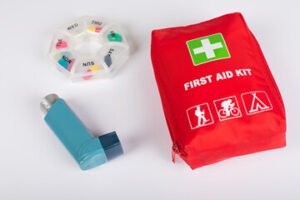
When traveling with mental health medication:
-
Keep medications in original packaging
-
Carry prescriptions or doctor’s notes
-
Pack medication in your carry-on, not checked luggage
-
Research destination-specific medication regulations
Preparation reduces fear. Knowing you’re compliant and organized allows you to focus on the experience instead of potential problems.
Final Thoughts: You’ve Got This
Traveling with anxiety doesn’t mean staying home. With a personalized travel anxiety toolkit, you can reduce stress, increase confidence, and still enjoy meaningful experiences.
It’s not about being fearless; it’s about being prepared. You’re allowed to move slowly, rest when needed, and travel on your own terms.
The anxiety toolkit you build should feel personal, flexible, and comforting, something that supports you before, during, and after travel-related stress appears.
Those quiet moments, a sunrise by the ocean, the smell of fresh pastries in a new city, finding your way somewhere unfamiliar, are still possible, even with anxiety alongside you.
Pack your toolkit, breathe deeply, and trust yourself. Every step forward builds strength.
FAQs: Travel Anxiety Toolkit
What is an anxiety toolkit for travelers?
An anxiety toolkit is a collection of strategies, tools, and essentials that help travelers manage anxiety, mental health challenges, and medication needs during travel.
Can I travel internationally with anxiety medication?
Yes. Carry medications in original packaging, bring prescriptions, and review country-specific regulations before departure.
How do I prepare a travel anxiety toolkit?
Organize medications, plan coping strategies, prepare documents, and research healthcare access at your destination.
Is it safe to fly with mental health medication?
Yes, when medications are properly labeled and packed in carry-on luggage with valid prescriptions.
What should I include in an anxiety toolkit for travel?
Medication (if prescribed), grounding tools, calming techniques, emergency contacts, self-care items, and travel documentation.
Do countries restrict anxiety medication?
Some countries restrict specific medications. Always check the embassy or official government health resources.
How can I manage anxiety during long flights or delays?
Use breathing exercises, grounding techniques, familiar routines, calming audio, and keep your toolkit accessible.