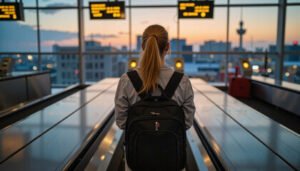
The first time I traveled solo, I wasn’t just afraid; I was convinced something would go wrong. I triple-checked my passport, overpacked four types of medication “just in case,” and barely slept the night before my flight.
My mind ran wild with thoughts like: “What if I miss my connection?” “What if I panic in public?” “What if I just… can’t handle it?”
But here’s what I didn’t expect: The more small wins I collected, successfully ordering food in a café, navigating a train system, and making it to my Airbnb, the more I realized how strong I actually was.
I wasn’t fearless, but I was doing it anyway.
If you’re just starting your solo travel journey with anxiety, this part of the guide is especially for you. Here are a few things that made a huge difference:
- Choose a calm, beginner-friendly destination: Avoid bustling cities at first. I started with a quiet coastal town.
- Stay somewhere that feels secure: Book a private room with good reviews. I found comfort in knowing I had a personal space to retreat to.
- Build a flexible plan: Leave space for rest. Trying to “do it all” is the fastest way to burnout, especially when traveling with anxiety.
- Pack like you’re supporting your future anxious self: Bring cozy clothes, a favorite snack, your journal, and anything that reminds you of home.
- Celebrate every win: Every time you take a step outside your comfort zone, acknowledge it. Write it down. You’re growing.
Remember: there’s no perfect solo traveler. There’s only a brave one—and that’s you.
Alone Travel Anxiety: Causes, Tips & How to Stay Confident
Traveling alone can be empowering—but for many first-time solo travelers, it also brings anxiety, self-doubt, and fear of the unknown.
Alone travel anxiety doesn’t mean you’re weak. It means you’re human, stepping into something new.
This guide explores the causes of solo travel anxiety, practical coping strategies, and confidence-building tools to help you travel alone with calm, clarity, and self-trust.
Eating Alone While Traveling: From Panic to Peace
One of the hardest parts of my first solo trip wasn’t the flight, the language barrier, or getting lost—it was sitting down to eat by myself.
Eating alone while traveling triggered intense social anxiety. I often skipped meals or grabbed snacks to eat in my room instead. If you’ve ever searched “why is eating alone so uncomfortable while traveling?”—you’re not alone.
Over time, I developed strategies that helped turn solo dining from panic-inducing into peaceful—and even empowering.
Tips for Eating Alone While Traveling with Anxiety
-
Start with cafés or food courts: These casual environments feel safer than formal restaurants.
-
Bring a grounding object: A book, journal, or phone helps anchor your attention without fully escaping the moment.
-
Practice before your trip: Try eating alone at home to build confidence.
-
Reality check your fears: Most people are focused on their own meals—not you.
-
Reframe the experience: You’re not lonely—you’re independent. Not awkward—brave.
Eating alone can become a powerful solo travel ritual. Over time, it shifted from fear to freedom—and it can for you too.
Self-Care While Traveling: A Mental Health Travel Routine
If you’re traveling with anxiety or depression, self-care isn’t optional—it’s essential. Creating a simple mental health routine helped me stay grounded no matter where I went.
Daily Self-Care Routine for Anxious Travelers
-
Morning journaling: A 5-minute check-in to clear mental clutter.
-
Gentle movement: Stretching or a short walk to regulate your nervous system.
-
Comfort items: Photos of my dog, favorite tea bags, a soft scarf.
-
Scheduled downtime: One intentional rest block per day.
-
Evening reflection: What went well? What do I need tomorrow?
This mental health travel routine isn’t about productivity. It’s about permission—to rest, reset, and travel in a way that supports your wellbeing.
You’re Braver Than You Think
If you’re reading this, you’re already showing courage. Traveling with anxiety doesn’t mean pretending you’re fearless; it means showing up anyway.
Solo travel with anxiety is about holding space for both fear and joy. Panic and discovery. Doubt and growth.
Whether you’re planning your first international trip with anxiety or simply drinking coffee alone in a new city, every small step matters. You are not behind. You are not broken. You belong out there.
What to Pack for Your First Solo Trip with Anxiety
Your suitcase isn’t just for clothes—it’s for peace of mind. When planning my first solo trip, I packed both practical essentials and emotional support items.
Packing Checklist for Anxious Solo Travelers
Comfort items
-
Family photos (especially my dog)
-
Cozy hoodie
-
Favorite snacks
-
Essential oils or calming balm
-
Small plush or grounding object
Mental health tools
-
Therapy notes or coping strategies
-
Backup anxiety medication (if applicable)
-
Noise-canceling headphones
-
White noise or calming playlists
First-time traveler essentials
-
Power bank
-
Printed itinerary
-
Hotel address in the local language
-
Offline maps and apps (Google Translate, Calm)
Travel journaling tools
-
Notebook and pens to process fear and track wins
Pack what soothes your nervous system—not just what looks good in photos.
Flight Anxiety Survival Guide: How to Stay Calm on a Plane Alone
Flying solo was my biggest fear—tight spaces, sensory overload, nowhere to escape. But preparation changed everything.
How to Manage Flight Anxiety When Traveling Alone
-
Choose the right seat: Aisle seats allow movement; bulkhead seats feel more open.
-
Use sensory tools: Headphones, soft fabrics, calming scents.
-
Bring offline distractions: Shows, audiobooks, games.
-
Try grounding techniques: Count backwards from 100 while pressing your feet into the floor.
-
Ask for support: Telling a flight attendant you’re nervous can make a huge difference.
You don’t need to feel relaxed to fly. You just need to feel supported.
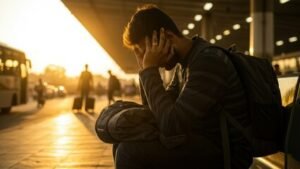
Travel Journaling for Anxiety: Turning Panic into Purpose
Travel journaling became one of my strongest tools. Some days I wrote one sentence. Other days, full emotional brain dumps.
Travel Journal Prompts for Anxiety
-
What made me feel strong today?
-
What do I need right now?
-
What scared me—and how did I cope?
-
What would I say to a friend in this moment?
-
Three wins from today (even tiny ones)
Your journal isn’t for perfection. It’s proof of growth.
Planning Your First Solo Trip with Anxiety, OCD, or Depression
Planning can feel overwhelming—but it’s also empowering.
Step-by-Step Travel Planning for Mental Health
-
Clarify your purpose: Why are you traveling?
-
Research slowly: Look for anxiety-friendly destinations and reviews.
-
Build a gentle itinerary: Include rest, safe spaces, and flexibility.
-
Plan mental health check-ins: Add reminders to pause and breathe.
-
Create a mental health first-aid kit: Apps, affirmations, grounding tools.
There is no “right” way to travel. Slow, supported travel is valid travel.
Sample Day Itinerary for Alone Travel Anxiety
Here’s an anxiety-friendly solo travel day that balances exploration with rest:
-
8:00 AM: Wake slowly, journal, stretch
-
9:00 AM: Light breakfast at a café or park
-
10:00 AM: Visit a calming place (museum, garden, bookstore)
-
12:30 PM: Lunch with headphones if needed
-
2:00 PM: Optional activity or neighborhood walk
-
4:00 PM: Rest and reset at the accommodation
-
6:00 PM: Comfort dinner or delivery
-
8:00 PM: Journal wins
-
9:30 PM: Wind-down routine
The goal isn’t productivity—it’s emotional safety.
Final Thoughts on Alone Travel Anxiety
You don’t need to be fearless to travel alone. Fearlessness is a myth. What you really need is curiosity and the quiet willingness to try, even when your hands shake, and your mind fills with questions.
Alone travel anxiety doesn’t disappear the moment you book a ticket or arrive at your destination. There will be uncomfortable moments. Moments of doubt. Moments when you wonder if staying home would have been easier. That doesn’t mean you made the wrong choice; it means you’re growing.
And then, something shifts.
You find yourself navigating a new street, ordering a meal on your own, or sitting somewhere unfamiliar and thinking, I handled this. Not perfectly.
Not without fear. But successfully. Those moments matter. They build confidence in a way nothing else can.
Traveling alone with anxiety isn’t about proving strength to anyone else. It’s about showing yourself that you can move forward even when fear comes along for the ride.
Every small decision, getting on the plane, leaving your accommodation, choosing to stay present, rewrites the story of anxiety once told to you.
FAQs About Alone Travel Anxiety
What is alone travel anxiety?
Alone travel anxiety is the fear or nervousness people experience when traveling by themselves. It often includes worries about safety, social judgment, getting lost, or handling emergencies alone. This anxiety is common—especially for first-time solo travelers—and doesn’t mean you’re incapable of traveling independently.
Why do I feel anxious traveling alone?
Solo travel anxiety usually comes from uncertainty, lack of control, fear of isolation, or past anxiety experiences. Being in unfamiliar places without a support system can activate your nervous system, especially if you already experience anxiety, OCD, or depression.
Is it normal to feel scared before your first solo trip?
Yes, feeling scared before your first solo trip is completely normal. Even experienced travelers feel anxious when trying something new. Fear often fades once you arrive and start building small routines that create a sense of safety and familiarity.
How can I stay confident while traveling alone?
Confidence comes from preparation, not perfection. Planning realistic itineraries, packing comfort items, journaling, and allowing downtime can help you feel more in control. Confidence grows with each small win—like eating alone, navigating transport, or completing a day independently.
How do I deal with anxiety when eating alone while traveling?
Start with low-pressure environments like cafés or food courts. Bring a book or headphones, and remind yourself that most people are focused on their own meals. Over time, eating alone can become a calming ritual rather than a source of stress.
What should I pack for solo travel with anxiety?
Pack items that support both physical and emotional comfort. This includes comfort clothing, grounding objects, snacks, noise-canceling headphones, travel apps, medication if needed, and a journal. Packing for mental health is just as important as packing clothes.
How can I manage flight anxiety when flying alone?
Choose a seat that makes you feel safer, use calming tools like headphones or scents, download offline entertainment, and practice grounding techniques. You can also tell a flight attendant you’re nervous—they are trained to help and often provide reassurance.
Does solo travel help anxiety or make it worse?
Solo travel can feel challenging at first, but many people find it improves confidence and emotional resilience over time. While anxiety may show up during the trip, successfully navigating it often reduces fear and builds long-term self-trust.
Is solo travel safe for people with anxiety or OCD?
Yes, solo travel can be safe with thoughtful planning. Choosing anxiety-friendly destinations, staying in well-reviewed accommodations, keeping emergency contacts accessible, and building a flexible itinerary can make travel feel safer and more manageable.
What if I panic while traveling alone?
Panic doesn’t mean failure. Grounding techniques, breathing exercises, journaling, or returning to a familiar place can help calm your body. Panic passes—even when it feels intense—and having coping tools ready can make all the difference.
Can journaling really help with travel anxiety?
Yes. Travel journaling helps process emotions, track progress, and reframe anxious thoughts. Writing about fears, wins, and daily reflections creates emotional clarity and reminds you how capable you are.
How do I plan a solo trip when I have anxiety or depression?
Plan slowly and intentionally. Focus on purpose, build in rest time, research mental-health-friendly locations, and prepare a mental health support kit. A flexible, supportive plan is more effective than a packed schedule.
What’s the biggest mindset shift for overcoming solo travel anxiety?
The biggest shift is understanding that you don’t need to be fearless, you just need to be willing. Travel isn’t about eliminating anxiety; it’s about learning you can handle it and still experience joy.