How do you plan a road trip? A road trip can be one of the most exciting ways to explore new places. The freedom to stop anywhere, discover hidden gems, and travel at your own pace makes road trips unforgettable. For beginners, planning one may seem overwhelming, but with the right steps, you can organise everything smoothly and enjoy your journey

What Is Road Trip Planning? (Simple Explanation)
Road trip planning is the process of organising your journey before you start driving. It involves deciding your destination, mapping your route, setting a travel budget, preparing your car, and packing essential items.
Unlike other forms of travel, road trips give you flexibility. You control your schedule, choose where to stop, and explore places that flights or trains might not reach.
Proper planning matters because it helps you:
- Avoid getting lost or wasting time
- Manage fuel and travel costs
- Stay safe on long drives
- Discover interesting stops along the way
- Reduce travel stress
In simple terms, road trip planning turns a random drive into a well-organised adventure.
How Do You Plan a Road Trip: Step-by-Step Guide for Beginners
Planning a road trip becomes much easier when you follow a structured approach. Here are the essential steps beginner travellers should follow.
1. Choose Your Destination
Start by deciding where you want to go. Your destination will determine the distance, driving time, and type of experience you want.
For beginners, shorter trips are usually easier to manage.
Example:
Instead of driving across the entire country, start with a nearby scenic destination or national park.
Pro Tip:
Choose destinations with multiple attractions so you can explore several places without driving long distances.
2. Mapping Your Route: How to Plan a Road Trip Smartly
Once you know your destination, the next step is creating your route.
Use navigation tools or digital maps to check:
- Driving distance
- Estimated travel time
- Scenic routes
- Fuel stops
- Rest areas
This helps you avoid traffic-heavy roads and find interesting places along the way.
Example:
Instead of taking the fastest highway, you might choose a scenic coastal road that offers better views and interesting stops.
Pro Tip:
Save offline maps on your phone in case you lose internet access during the journey.
3. Budgeting Tips for Planning a Road Trip
Budget planning is one of the most important parts of a successful road trip.
Consider these main expenses:
- Fuel costs
- Accommodation
- Food and snacks
- Parking fees
- Attraction tickets
- Emergency expenses
Creating a simple budget helps you avoid overspending during your trip.
Example Budget Breakdown:
| Expense | Example Cost |
| Fuel | $80 |
| Accommodation | $120 |
| Food | $60 |
| Activities | $40 |
Pro Tip:
Add a small emergency fund to your travel budget for unexpected expenses.
4. Plan Your Stops and Attractions
A road trip becomes more enjoyable when you include interesting stops along your route.
Look for:
- Scenic viewpoints
- National parks
- Local restaurants
- Historic landmarks
- Small towns worth exploring
Planning stops also helps prevent driver fatigue during long drives.
Example:
If your total drive is six hours, plan a stop every two hours to rest and explore.
Pro Tip:
Search for “hidden gems” or “local attractions” along your route to discover places many tourists miss.
5. Book Accommodation in Advance
If your road trip lasts more than one day, booking accommodation early can save money and reduce stress.
Options include:
- Budget hotels
- Hostels
- Roadside motels
- Camping sites
- Vacation rentals
Early booking also ensures availability during peak travel seasons.
Pro Tip:
Choose accommodations near your planned stops so you do not need to drive long distances at night.
6. Prepare Your Vehicle
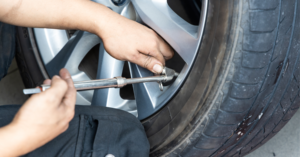
Before starting your journey, make sure your vehicle is road-trip ready.
Check these important items:
- Tire pressure
- Engine oil level
- Brake condition
- Car battery
- Windshield wipers
- Fuel level
If your car has not been serviced recently, consider a quick inspection.
Pro Tip:
Keep a small emergency kit in your car with tools, a flashlight, and a first-aid kit.
7. Packing Essentials for Your Road Trip Planning
Packing essentials properly can make your road trip much more comfortable.
Essential items include:
- Travel documents
- Phone charger or car adapter
- Snacks and water
- Comfortable clothing
- Navigation device or phone mount
- First-aid kit
For longer trips, bring additional items like blankets, travel pillows, and entertainment.
Pro Tip:
Use small bags or organisers to keep your car clutter-free.
8. Download Helpful Travel Apps
Technology can make road trip planning much easier.
Useful apps include:
- Navigation apps for route planning
- Fuel price comparison apps
- Weather tracking apps
- Hotel booking apps
These tools help you stay organised and informed during your journey.
Pro Tip:
Download your maps and playlists offline before leaving.
9. Prepare Entertainment for the Drive
Long drives can sometimes feel tiring, especially for beginners.
Bring entertainment such as:
- Audiobooks
- Podcasts
- Road trip playlists
- Travel games
These make the drive more enjoyable and help pass time during long stretches.
Pro Tip:
Create a road trip playlist before leaving to avoid searching for music while driving.
Tips for How to Plan a Road Trip Successfully
Many beginner travellers make simple mistakes that can affect their experience.
Here are some common ones to avoid:
- Overpacking the car – Too much luggage can reduce comfort.
- Driving too long without breaks – Fatigue can make driving unsafe.
- Ignoring weather conditions – Always check forecasts before leaving.
- Not planning fuel stops – Running out of fuel in remote areas can be stressful.
- Skipping vehicle checks – A small issue can turn into a big problem during long drives.
Avoiding these mistakes will make your journey smoother and safer.
Beginner’s Guide: How Do You Plan a Road Trip Efficiently
Road trips can be affordable if you plan smartly.
Here are a few simple ways to save money:
- Travel during off-peak seasons
- Pack snacks instead of buying food frequently
- Share fuel costs if travelling with friends
- Use fuel price comparison apps
- Choose budget accommodations
Small savings throughout the trip can significantly reduce your overall travel cost.
Conclusion
Learning how to plan a road trip is easier than most beginners think. With the right preparation, your journey can be smooth, affordable, and unforgettable.
Start by choosing a destination, mapping your route, budgeting your expenses, and preparing your vehicle. Add interesting stops along the way, pack wisely, and give yourself enough time to enjoy the journey.
Road trips are not just about reaching a destination. They are about discovering new places, experiencing freedom on the road, and creating memorable travel moments.
If you are planning your first adventure, start small, stay flexible, and enjoy every mile of the journey.
If you want, I can also help you with:
- 30 SEO blog topics to grow traffic for NewbieTravels
- A topical authority content silo for travel blogs
- Internal linking strategy to rank faster on Google.
Frequently Asked Questions
How do you plan a road trip for beginners?
Start by choosing a destination, mapping your route, setting a travel budget, planning stops, and preparing your vehicle. Packing essential items and booking accommodation in advance also makes the journey easier.
How far should you drive in a day on a road trip?
Most travellers recommend driving 5–7 hours per day to avoid fatigue. Taking breaks every two hours helps maintain focus and makes the journey more enjoyable.
What is the best time to start a road trip?
Early morning is usually the best time to begin a road trip. Traffic is lighter, temperatures are cooler, and you have more daylight for driving and exploring.
What should you pack for a road trip?
Essential items include snacks, water, navigation tools, phone chargers, travel documents, a first-aid kit, and comfortable clothing. Entertainment like podcasts or music can also improve long drives.
Are road trips safe for beginners?
Yes, road trips are safe for beginners when planned properly. Checking your vehicle, planning rest stops, and following road safety rules significantly reduce risks.