How to plan a car road trip: Planning a car road trip can feel overwhelming for beginners, but with the right steps you can easily organize your route, budget, stops, and packing essentials. A road trip is one of the most exciting ways to travel because you have the freedom to choose your route, stop whenever you want, and discover places most travelers miss.
What is Planning a Car Road Trip?
Planning a car road trip means organizing your travel route, stops, budget, and essentials before you start driving. Instead of just jumping in the car and hoping everything works out, good planning ensures your journey is safe, affordable, and enjoyable.
A well-planned road trip usually includes:
- A clear travel route
- Planned rest stops
- Accommodation bookings
- Fuel and travel budget
- Essential packing list
- Emergency preparation
For beginner travelers, learning how to plan a car road trip properly can make the difference between a stressful journey and an unforgettable adventure.

Why Road Trip Planning Matters for Beginners?
Road trips offer flexibility, but they also require preparation.
Without proper planning, travelers often face problems such as:
- Running out of fuel in remote areas
- Spending too much money on food or hotels
- Getting lost or taking inefficient routes
- Forgetting important travel items
Planning ahead helps you:
- Save money
- Travel safely
- Reduce stress during long drives
- Discover hidden destinations
Most importantly, planning gives you confidence—especially if it’s your first long-distance drive.
Step-by-Step Guide on How to Plan a Car Road Trip
1. Choose Your Destination for Your Car Road Trip
Start by deciding where you want to go.
Your destination could be:
- A national park
- A scenic coastal drive
- A famous road trip route
- A nearby city or countryside
For beginners, shorter road trips (3–6 hours of driving per day) are usually easier and more enjoyable.
Example:
Instead of driving 15 hours in one day, break the journey into two travel days with interesting stops.
Pro Tip:
Choose destinations that offer multiple attractions along the route.
2. Plan the Best Route for Your Car Road Trip
Once you choose your destination, map your route.
Use navigation tools like:
- Google Maps
- Roadtrippers
- Waze
These tools help you identify:
- Scenic routes
- Fuel stations
- Food stops
- Tourist attractions
Avoid planning extremely tight schedules. Leave room for unexpected discoveries.
Pro Tip:
Download offline maps in case you lose internet signal.
3. Create a Flexible Road Trip Itinerary
A good itinerary keeps your trip organized without removing spontaneity.
Include:
- Driving time each day
- Major sightseeing stops
- Rest breaks
- Overnight stays
Example simple itinerary:
Day 1: Drive 4 hours → Visit a scenic viewpoint → Stay overnight
Day 2: Explore local attractions → Continue driving 3 hours
Pro Tip:
Limit daily driving to 4–6 hours for a comfortable experience.
4.Set a Budget for Your Car Road Trip
Budgeting is one of the most important steps in planning a road trip.
Your main travel costs may include:
- Fuel
- Accommodation
- Food
- Attraction tickets
- Emergency funds
Simple budgeting tip:
Estimate your fuel cost using your car’s mileage and trip distance.
Example:
500 miles ÷ car mileage × fuel price = estimated fuel cost
Pro Tip:
Keep a 10–15% emergency travel fund.
5. Check Your Car Before the Trip
Your car is the most important part of your road trip, so make sure it’s ready.
Perform a basic vehicle check:
- Tire pressure and spare tire
- Engine oil level
- Brakes
- Windshield wipers
- Car battery
If your trip is long, consider getting a quick mechanic inspection.
Pro Tip:
Carry roadside assistance contact information.
6. Pack Smart for the Journey
Packing essentials efficiently makes road trips far more comfortable.
Essential road trip items include:
- Driver’s license and car documents
- Navigation tools
- Phone charger or power bank
- First aid kit
- Water bottles
- Snacks for the road
- Sunglasses and sunscreen
Optional comfort items:
- Travel pillow
- Playlist or podcasts
- Camera
Pro Tip:
Keep frequently used items within reach in the car.
7. Book Accommodation in Advance
Depending on your destination, booking hotels or guesthouses early can save money and stress.
Popular accommodation options include:
- Budget hotels
- Motels
- Hostels
- Campsites
- Vacation rentals
Booking in advance is especially helpful during:
- Holidays
- Peak tourist seasons
- Popular road trip routes
Pro Tip:
Choose accommodations with free parking.
8. Plan Food and Rest Stops
Long drives can become exhausting without regular breaks.
Experts recommend stopping every 2–3 hours.
Rest stops help you:
- Stretch your legs
- Stay alert while driving
- Explore small towns
Look for:
- Local restaurants
- Scenic picnic spots
- Gas stations with food options
Pro Tip:
Pack healthy snacks to avoid expensive roadside food.
9. Prepare Entertainment for the Drive
Long drives can feel boring without entertainment.
Consider preparing:
- Road trip playlists
- Audiobooks
- Podcasts
- Travel games
This makes the journey enjoyable, especially if you’re traveling with friends or family.
Pro Tip:
Download offline music and podcasts before leaving.
10. Stay Safe During the Trip
Safety should always be a priority on road trips.
Important safety tips:
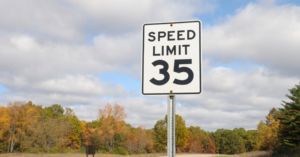
- Avoid driving when extremely tired
- Follow speed limits
- Keep emergency contacts saved
- Check weather conditions before driving
If you’re driving in unfamiliar areas, avoid night driving when possible.
Pro Tip:
Share your travel itinerary with a family member.
11.Common Mistakes to Avoid When Planning a Car Road Trip
Even experienced travelers make mistakes on road trips.
Here are some common ones beginners should avoid:
Overpacking the schedule
Trying to visit too many places in one trip leads to stress.
Ignoring car maintenance
Skipping vehicle checks can cause serious problems on the road.
Underestimating fuel costs
Fuel prices vary by region, so always plan extra budget.
Driving too long without breaks
Fatigue is a major cause of road trip accidents.
Smart Road Trip Budget Tips
Traveling by car can be affordable if you plan carefully.
Here are simple ways to save money:
- Use fuel price apps to find cheaper gas stations
- Stay in budget accommodations or campsites
- Cook simple meals if your accommodation allows it
- Travel during off-peak seasons
These small choices can significantly reduce your road trip expenses.
Conclusion
Learning how to plan a car road trip doesn’t have to be complicated. With the right preparation, your journey can be smooth, affordable, and full of memorable experiences.
Start by choosing a destination, planning your route, budgeting your expenses, and packing the right essentials.
Remember, the best road trips aren’t just about reaching the destination—they’re about enjoying every mile along the way.
If you’re new to travel planning, take it step by step, stay flexible, and enjoy the adventure ahead.
FAQs About Planning a Car Road Trip
How far should beginners drive on a road trip?
Beginner travelers should aim for 4–6 hours of driving per day. This allows enough time for rest stops, sightseeing, and a comfortable travel pace.
How much does a car road trip usually cost?
The cost depends on distance, fuel prices, accommodation, and food. A short road trip may cost $200–$500, while longer trips can exceed $1,000.
What is the best time to start a road trip?
Early morning is usually the best time to start driving. Roads are less crowded, weather conditions are cooler, and you can maximize daylight hours.
Is it safe to take a solo road trip?
Yes, solo road trips can be safe if you plan carefully. Share your itinerary with someone, keep emergency contacts ready, and avoid driving late at night in unfamiliar areas.