Planning your first trip is exciting until you start packing. Most beginner travelers either overpack “just in case” or forget essentials like chargers, travel documents, or medications.
That’s where a proper packing checklist for trip planning becomes your best friend.
This guide will show you exactly what to pack, how to organize your luggage, and how to avoid common beginner mistakes.
By the end, you’ll have a clear, stress-free packing plan you can reuse for every trip.
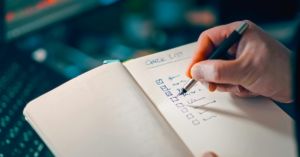
What Is a Packing Checklist for a Trip?
A packing checklist for a trip is a structured list of essential items you need to bring when traveling. It helps you stay organized, avoid forgetting important things, and prevent overpacking.
Instead of randomly throwing items into your suitcase, a travel packing list ensures:
- You pack according to the destination and the weather
- You don’t exceed airline baggage limits
- You carry all essential travel documents
- You avoid last-minute stress
For beginner travelers, a checklist is not optional — it’s essential.
Why It Matters for Beginner Travelers
If you’re new to travel, packing can feel overwhelming. A clear travel essentials checklist helps you:
- Save money (no emergency purchases at the airport)
- Save space in your luggage
- Reduce stress before departure
- Travel confidently
Many first-time travelers forget small but critical items like universal adapters, backup cards, or printed confirmations. A smart packing strategy prevents these mistakes.
Step-by-Step Guide to Creating the Perfect Packing Checklist for a Trip
Follow these steps to build your own reusable travel packing list.
Step 1: Check Your Destination and Weather
Before you pack anything, research:
- Climate
- Local culture
- Activities planned
- Travel duration
Example:
If you’re visiting a beach destination, you’ll need swimwear, sandals, and sunscreen. For colder destinations, thermal layers and a waterproof jacket are essential.
Pro Tip:
Check the weather forecast 3–4 days before departure to adjust your clothing list.
Step 2: Start with Travel Documents (Non-Negotiable)
Your documents are more important than your clothes.
Essential travel documents checklist:
- Passport (valid for 6+ months if international)
- Visa (if required)
- Flight tickets
- Hotel confirmations
- Travel insurance documents
- Government ID
- Emergency contact list
- Copies (digital + printed)
Pro Tip:
Store digital copies in cloud storage and email them to yourself.
Step 3: Choose the Right Luggage
Your packing depends on your luggage type:
- Carry-on only (short trip)
- Checked luggage (longer trips)
- Backpack (budget or adventure travel)
For beginners, a medium-sized suitcase (23–25 inches) is usually ideal for 5–7 days.
Pro Tip:
Follow the 80% rule — never pack your suitcase completely full. Leave room for souvenirs.
Step 4: Clothing Essentials (Pack Smart, Not More)
Use this simple formula:
- 1 outfit per day
- 1 extra emergency outfit
- 2–3 versatile tops
- 2 bottoms (jeans, trousers, shorts)
- Sleepwear
- Undergarments (trip days + 2 extra)
- Comfortable walking shoes
- Flip-flops or sandals
- Weather-specific layers
Choose neutral colors so you can mix and match.
Pro Tip:
Roll your clothes instead of folding. It saves space and reduces wrinkles.
Step 5: Toiletries & Personal Care
Use travel-size bottles to save space.
Basic toiletry packing list:
- Toothbrush & toothpaste
- Shampoo & conditioner
- Soap or body wash
- Deodorant
- Hairbrush
- Razor
- Skincare essentials
- Sunscreen
- Lip balm
- Small towel (if required)
Pro Tip:
Place liquids in a leak-proof pouch to avoid spills.
Step 6: Electronics & Travel Gadgets
Don’t forget your travel tech essentials.
- Phone
- Charger
- Power bank
- Universal adapter
- Earphones
- Camera (if needed)
- Laptop or tablet
- Travel extension cord
If flying internationally, a universal travel adapter is a must.
Pro Tip:
Keep electronics in your carry-on bag for easy access during airport security checks.
Step 7: Health & Safety Items
Health should never be ignored while traveling.
- Prescription medications
- Basic first aid kit
- Pain relievers
- Motion sickness tablets
- Hand sanitizer
- Face masks (if required)
- Reusable water bottle
Pro Tip:
Carry medicines in the original packaging for airport security.
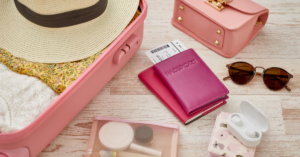
Step 8: Day Bag Essentials
Your day bag is different from your suitcase.
Keep these items easily accessible:
- Wallet
- ID
- Travel tickets
- Phone charger
- Snacks
- Sunglasses
- Travel pillow (for long flights)
- Notebook & pen
Step 9: Optional but Useful Travel Extras
Depending on your trip type, consider adding:
- Packing cubes
- Neck pillow
- Laundry bag
- Small lock
- Travel-size umbrella
- Reusable shopping bag
Packing cubes are especially helpful for beginners who struggle with organization.
Common Packing Mistakes to Avoid
Avoid these beginner errors:
- Packing too many “just in case” outfits
- Ignoring airline baggage limits
- Forgetting chargers
- Not checking the weather
- Packing valuables in checked luggage
- Leaving packing until the last night
Smart travel planning starts at least 3–4 days before departure.
Simple Budget Travel Packing Tips
Want to save money while packing?
- Use refillable bottles instead of buying minis
- Reuse items from previous trips
- Avoid buying new outfits just for travel
- Pack lightweight clothes to avoid extra baggage fees
- Bring a reusable water bottle
Minimalist packing also makes airport navigation easier.
Final Thoughts
A well-prepared packing checklist for trip planning removes stress and builds confidence — especially for beginner travelers.
Packing smart is not about carrying more. It’s about carrying what truly matters.
Before your next journey, use this guide to create your own personalized travel packing list. The more organized you are, the smoother your travel experience will be.
Ready to plan your next adventure? Explore more beginner-friendly travel guides on NewbieTravels.com and travel smarter every time.
FAQs About Packing Checklist for Trip
How early should I start packing for a trip?
Start creating your packing checklist one week before departure. Begin physical packing 2–3 days before travel to avoid last-minute stress.
How do I avoid overpacking?
Follow the mix-and-match rule. Choose versatile clothing and stick to essentials only. If you’re unsure about an item, you probably don’t need it.
What is the 5-4-3-2-1 packing rule?
It’s a minimalist packing method:
- 5 tops
- 4 bottoms
- 3 shoes
- 2 dresses or layers
- 1 accessory set
You can adjust it based on trip duration.
Should I pack differently for international travel?
Yes. International trips require:
- Passport & visa
- Travel insurance
- Universal adapter
- Currency or travel card
- Copies of documents
Always double-check entry requirements.
What should I always keep in my carry-on?
Keep:
- Passport
- Wallet
- Electronics
- Medications
- One change of clothes
- Important documents
Never pack essentials in checked baggage.