From someone who’s traveled the world with a carry-on and a compulsive mind. Before we go any further, I want to share something personal.
I remember standing at the airport gate, hands shaking, heart racing, not because I was afraid of flying, but because my brain was screaming: “What if I have to use the plane toilet and it isn’t clean?
What if I touch something contaminated in a public bathroom? What if I can’t wash my hands properly? What if I catch something and ruin my whole trip?”
That trip didn’t go perfectly. I cried in a hotel bathroom. I washed my hands too often. I avoided eating local food for the first three days because my contamination OCD was loud and cruel.
I couldn’t bring myself to eat at local cafés, and I panicked every time I needed to use a public restroom.
The intrusive thoughts came in waves: What if I got sick, what if something happened, what if I snapped in public?
But still, I did it. I sat with the discomfort. I survived the overthinking. And every time I said “yes” to travel instead of “no” to fear, I took back a little power.
I wrote all about those first steps in my solo travel with a panic survival story, and how I managed food fear in this piece on anxiety vs. panic attacks.
, chances are you’ve Googled something like: “Can I travel with OCD?” or “Why does traveling with OCD feel impossible?” Let me just say: I’ve been there.
before their passport. The ones who love the idea of adventure but can’t stop checking if they left the stove on. Those who want to see the world, but have a brain that screams “danger!” at everything.
Real Talk from the Newbie Travels Community:
“I traveled to Spain with OCD and had a panic attack my first night. But I stayed. I saw the Sagrada Familia the next day and cried, not from fear, but from pride. It’s not about being fearless.
It’s about being brave enough to keep going.”
– Sarah, Newbie Travels reader
This stress-free trip guide is for travelers who pack hand sanitizer before their passport. The ones who love the idea of adventure but can’t stop checking if they left the stove on.
Those who want to see the world, but have a brain that screams “danger!” at everything.
Let’s talk about what it’s really like to travel with OCD, and how you can do it, even when your brain says you can’t.
What Is OCD, Really?
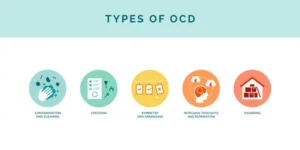
Before we dive in, let’s clear something up: OCD (Obsessive-Compulsive Disorder) isn’t just about being neat or liking things “just so.” It’s a serious anxiety disorder defined by:
- Obsessions: Intrusive, unwanted thoughts that cause distress
- Compulsions: Repetitive actions or rituals to reduce that distress
Travel can disrupt familiar routines… and introduce new uncertainties, potentially intensifying OCD symptoms.
However, with proactive planning and coping mechanisms, you can mitigate these effects and embrace the joys of exploration.
Everyone’s OCD looks different. Some people struggle with contamination fears, others with harm or checking compulsions.
You’re not weak or broken if travel brings these challenges to the surface; your brain is just trying to protect you the best way it knows how.
Step 1: Planning a Trip That’s OCD- and Anxiety-Friendly
For your first trip, it’s especially important to go somewhere that understands and supports mental health.
You don’t need to throw yourself into a remote jungle or an isolated part of the world right away.
Avoid destinations that might lack infrastructure or cultural awareness of OCD and Travel anxiety, like rural areas without medical support or places where mental health isn’t openly acknowledged.
Instead, pick a place where you’ll feel seen, safe, and supported.
Look for places with strong healthcare, reliable infrastructure, and low crime rates. It’s not about fear, it’s about setting yourself up for success.
You might even search travel blogs, expat forums, or mental health subreddits to get real-world feedback on how OCD-friendly a destination feels.
Create a Flexible-but-Safe Itinerary
Plan for:
- 2 big activities max
- 1–2 hours of rest/reset time
- Optional extras that you can skip without guilt
Use tools like Google Sheets, TripIt, or Notion to organize your plan, so you always have a backup.
Structure soothes OCD brains, but rigidity can backfire. Find your balance between comfort and freedom.
Don’t feel weird travel packing your comfort items. You’re not being “extra”, you’re being prepared.
Whether it’s a scarf that smells like home or a small item from your therapist’s grounding kit, take what you need.
Step 2: Managing OCD During the Trip
Traveling with OCD can feel like taking your comfort zone and setting it on fire. Every unfamiliar bathroom, crowded terminal, and uncertain food label becomes a battleground between logic and the looping thoughts in your mind.
But the truth is, with every challenge comes a new skill, each panic a test you can pass. Travel isn’t about being fearless; it’s about building trust in yourself to handle whatever comes.
For example, on a train journey across Italy, I felt myself unraveling over the fact that I couldn’t wash my hands after touching a public seat.
But instead of giving in to panic, I pulled out a small pack of tissues, did a few rounds of deep breathing, and focused on the hills outside my window.
That moment, tiny and uneventful to anyone else, was a win, and proof that I could sit with the discomfort and still be okay.
Managing OCD while traveling takes self-awareness, patience, and the ability to pause when your brain gets loud.
There were moments on my first few trips when I felt frozen in my hotel room, spiraling about whether I had washed my hands the “right” way.
But I learned that small actions, like stepping outside, listening to music, or texting a friend, can reset your nervous system.
Here are a few personal strategies that helped me the most while navigating OCD far from home:
- Pack a grounding object: Something tactile and comforting. I always bring a smooth stone I can hold during moments of panic; it reminds me I’m safe.
- Permit yourself to say no: Just because you planned something doesn’t mean you have to do it if your body says rest.
- Use ‘mental rehearsing’: Visualize success. I walk through common triggers in my head before they happen, like using a public toilet or navigating an airport, so I feel more in control when they arise.
- Have a simple mantra: Mine is “Discomfort is not danger.” Repeat yours as needed; it helps silence intrusive thoughts with compassion.

Make Peace with the “What Ifs”
Instead of fighting the thoughts, live alongside them. You’ll never eliminate uncertainty. But you can train your brain not to chase it.
Try saying: “Yes, that might happen… and I can handle it.” Or: “I’m choosing courage over comfort today.”
Sometimes your OCD will flare. That doesn’t mean you failed; it means you’re human. Take a break, reset, and keep going.
Step 3: OCD-Friendly Accommodations
Where you stay can make or break your trip, especially when OCD is tagging along. If your OCD centers around contamination or hygiene, don’t feel pressured to book the cheapest hostel or a rustic homestay just because it’s adventurous.
For example, if the idea of using a squat toilet or taking bucket showers in a shared facility fills you with dread, it’s okay to skip it. That doesn’t make you a bad traveler; it makes you a prepared one.
Choose accommodations that match your comfort level. Private bathrooms, clean rooms with good reviews, and self-check-in options can all help ease anxiety.
Read reviews that mention cleanliness and staff friendliness. It’s also okay to message your host ahead of time to ask questions like, “How often are surfaces cleaned?” or “Is the bathroom private?”
Message hosts in advance to ask about cleaning and safety. It’s okay to seek comfort in clarity. In some cases, you can even request extra cleaning or bring your own small cleaning wipes to manage your comfort level without going into compulsion territory.
Step 4: Talk About It (Or Don’t)
You don’t owe anyone an explanation. But if you want to share, try:
“Hey, just so you know, I have OCD, it’s an anxiety disorder. I might need a little extra time to get settled or do things in a specific way.”
You might be surprised how many people say, “Me too.”
Step 5: Reflecting After Travel
- What strategies worked?
- Which situations were most triggering?
- How can I build on these wins?
Embracing the Journey: Personal Reflections on Traveling with OCD
Traveling with OCD isn’t just about managing symptoms; it’s about choosing growth, moment by moment.
I remember one evening in Rome, sitting outside a restaurant I’d walked past five times. I was afraid of getting food poisoning, afraid the cutlery wouldn’t be clean, and afraid of being seen disinfecting my hands too much.
But then I took a deep breath and walked in. I ate, I laughed, and I cried afterward, not from fear, but from pride.
Each choice like that feels like a small rebellion against the voice that says I can’t. And each trip reminds me that I can do hard things, even when OCD follows me on the plane.
Building a Supportive Travel Community
You are not alone in this. There’s a growing global community of people traveling with OCD, sharing stories, tips, and solidarity.
Reading blog posts, listening to podcasts, and joining online groups gave me strength on days I felt too overwhelmed to even pack.
That’s a big part of why I created Newbie Travels, to remind you that your struggles are valid and your dreams are still possible.
Practical Tools for Traveling with OCD
- Carry calming visuals, photos of home, family, or affirmations in your phone gallery.
- Create a “thought log” in your notes app to track obsessions without acting on them.
- Design a “self-soothe plan” for airport stress, noisy spaces, or meal anxiety.
- Use noise-canceling headphones or soothing music playlists to stay grounded in transit.
- Have a travel-safe cleaning kit, not to enable compulsions, but to meet your needs compassionately and confidently.
These tools aren’t about avoiding OCD, they’re about moving through it with confidence. They’re reminders that you’re allowed to support yourself while challenging your OCD gently and intentionally.
Small systems like these can make all the difference in how supported you feel while navigating new spaces.
FAQs: How to Travel with OCD
1. Can someone with OCD travel comfortably?
Yes, many people with OCD can travel comfortably with the right planning, coping tools, and mental preparation. Small adjustments can make the journey easier.
2. What triggers OCD while traveling?
Common triggers include disrupted routines, unfamiliar environments, contamination fears, and uncertainty. Identifying triggers early helps manage them better.
3. How can I reduce anxiety before a trip?
Create a clear travel plan, prepare checklists, practice breathing exercises, and speak with your therapist if needed. Preparation reduces uncertainty and stress.
4. What should I pack when traveling with OCD?
Pack comfort items like sanitizers, medications (if prescribed), grounding tools, and organized checklists to maintain mental structure during the trip.
5. Is it safe to travel alone if I have OCD?
Yes, you can travel alone if your symptoms are manageable. Start with shorter trips, inform trusted contacts of your plans, and follow routines that help you stay grounded.