
Travel anxiety symptoms can make travel feel stressful instead of exciting. Travel is often described as exciting, freeing, and life-changing but for many people, it feels completely different.
Instead of excitement, there is tension. Instead of curiosity, there is fear. The thought of leaving home, boarding a flight, or navigating an unfamiliar place can trigger strong emotional and physical reactions.
These reactions are known as travel anxiety symptoms, and they are more common than most people realize.
From racing thoughts before a trip to physical discomfort during travel, this experience can feel overwhelming and confusing especially if you don’t understand what’s happening in your body.
For some, it’s a mild worry before traveling. For others, it can escalate into panic attacks, avoidance of trips, or even canceling plans entirely.
The good news is that these symptoms are understandable, manageable, and treatable with the right strategies.
This guide breaks everything down in a practical, human way so you can recognize what’s happening and learn how to take control of it.
If you’re completely new to traveling, learning basic travel planning tips for beginners can also help reduce confusion before your journey starts.
It’s also highly beneficial to read up on what to expect on your first flight to clear up any airport-related confusion before your journey starts.

What Are Travel Anxiety Symptoms?
Travel anxiety symptoms refer to the emotional, cognitive, and physical reactions a person experiences before or during travel due to fear, uncertainty, or perceived lack of control.
This is not just “nervousness.” It can be linked to deeper anxiety patterns such as generalized anxiety or specific phobias related to flying, crowds, or unfamiliar environments.
In clinical terms, anxiety responses are connected to the body’s fight-or-flight system, which becomes overactive in perceived stressful situations.
In some cases, travel anxiety can overlap with conditions like Anxiety disorder, where the brain misinterprets normal travel situations as threats.
The result is a combination of mental distress and physical symptoms that can interfere with normal travel experiences.
Common Travel Anxiety Symptoms (Emotional and Physical Signs)
Travel anxiety shows up differently in each person, but most symptoms fall into two categories:
Emotional and Cognitive Symptoms
- Constant worry before a trip
- Fear of something going wrong during travel
- Overthinking every possible scenario
- Difficulty focusing on planning or packing
- Irritability or mood swings
- Feeling “not ready” even after preparation
- Fear of being trapped or stuck in transit
Physical Symptoms
- Rapid heartbeat
- Shortness of breath
- Sweating or chills
- Nausea or stomach discomfort
- Muscle tension
- Headaches
- Dizziness or lightheadedness
- Fatigue before the journey even begins
In severe cases, these symptoms can escalate into panic attacks, especially in crowded airports, buses, or airplanes.
Causes of Travel Anxiety Symptoms
Understanding the root cause is key to managing it effectively. Travel anxiety usually develops due to a combination of psychological and environmental factors.
1. Fear of Losing Control
Travel often involves uncertainty delays, unfamiliar places, and reliance on systems you cannot control.
2. Past Negative Experiences
A bad flight, missed train, or stressful trip can create long-term fear associations.
3. General Anxiety Sensitivity
People who already experience anxiety in daily life are more prone to travel-related stress.
4. Fear of Enclosed or Crowded Spaces
Airplanes, buses, and airports can trigger claustrophobia-like responses.
5. Health Anxiety
Fear of getting sick while traveling or not having access to medical help.
6. Overthinking and Anticipation
The brain creates “worst-case scenarios” long before the journey starts.
Types of Travel Anxiety Symptoms
Not all travel anxiety looks the same. It often falls into specific categories:
Flight Anxiety
Fear of flying, turbulence, or crashes. This is one of the most common forms.
Solo Travel Anxiety
Fear of being alone in a foreign or unfamiliar environment.
If your fear is mainly related to traveling in general, learning how to manage travel anxiety symptoms can help you stay calm and feel more in control during your journey.
Social Travel Anxiety
Worry about interacting with strangers, asking for help, or communication barriers.
Health-Related Travel Anxiety
Fear of illness, food issues, or medical emergencies abroad. If this keeps you up at night, reading an absolute breakdown on is trip insurance worth it can provide a massive financial and emotional safety net.
General Travel Anxiety
A mix of all the above without a single trigger.
How Travel Anxiety Symptoms Affect Daily Life
Travel anxiety doesn’t only affect travel days it can influence everyday decisions.
- Avoiding job opportunities that require travel
- Refusing vacations or family trips
- Delaying important life experiences
- Overplanning every detail excessively
- Feeling drained even before trips begin
Over time, avoidance can reinforce fear, making future travel even harder.
Coping Strategies Before Traveling
Preparation is one of the most powerful tools to reduce anxiety.
1. Break Down the Trip
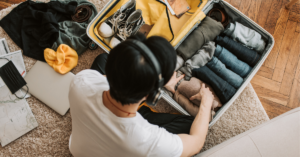
Breaking your journey into simple steps is also part of learning how to plan a trip properly so you don’t feel overwhelmed. Using a structured resource like an ocd packing checklist for anxiety free travel helps quiet the fear of forgetting essentials. Instead of thinking “I have to travel,” divide it into steps: Packing, Transportation, Arrival, and your First day plan.
Instead of thinking “I have to travel,” divide it into steps:
- Packing
- Transportation
- Arrival
- First day plan
2. Create a Realistic Itinerary
Avoid overpacking your schedule. Leave space for rest.
3. Practice Exposure
Start with small trips like short rides or local travel.
4. Use Grounding Techniques
Simple methods like deep breathing or focusing on sensory details can calm the nervous system.
5. Prepare for “What If” Scenarios
Instead of avoiding them, plan solutions:
- Missed flight → rebooking plan
- Anxiety attack → breathing technique
- Language barrier → translation app
What to Do During Travel?
When symptoms appear during travel, the goal is not to eliminate anxiety instantly but to manage it.
Breathing Control
Slow breathing signals the brain that you are safe.
Grounding Technique (5-4-3-2-1)
- 5 things you see
- 4 things you feel
- 3 things you hear
- 2 things you smell
- 1 thing you taste
Distraction Tools
- Music or podcasts
- Movies or offline videos
- Journaling thoughts
Physical Comfort
- Stay hydrated
- Adjust seating posture
- Use comfort items (neck pillow, hoodie, etc.)
Treatment Options and Professional Support
For persistent or severe symptoms, structured support can be helpful.
Cognitive Behavioral Therapy (CBT)
A highly effective approach that helps reframe negative thoughts and reduce avoidance behavior. Cognitive Behavioral Therapy
Exposure Therapy
Gradual exposure to travel situations helps reduce fear over time.
Medication (When Needed)
In some cases, prescribed medication may help manage severe anxiety under professional supervision.
Lifestyle Support
- Regular sleep
- Reduced caffeine
- Exercise
- Mindfulness practices
Actionable Tips for First-Time Travelers
- Book travel during less busy hours
- Choose seats that feel comfortable (aisle or window preference)
- Keep essentials in a small, accessible bag
- Inform someone about your travel plan
- Download offline maps and translation apps
- Carry familiar items for comfort
Beginner Mistakes to Avoid
- Overplanning every minute of the trip
- Ignoring anxiety signs and pushing through forcefully
- Avoiding all travel experiences completely
- Relying only on distractions instead of coping skills
- Comparing your travel ability with others
Travel Anxiety Checklist
Before travel:
- Packed essentials
- Confirmed bookings
- Emergency contacts saved
- Comfort items packed
- Anxiety coping tools ready
During travel:
- Breathing under control
- Staying hydrated
- Using grounding techniques
- Taking breaks when needed
After travel:
- Reflect on what went well
- Identify triggers
- Plan improvements for next trip
Conclusion
Travel anxiety symptoms can feel overwhelming, but they are not permanent or uncontrollable. They are signals from the mind and body reacting to uncertainty not signs of weakness.
With the right understanding, preparation, and coping strategies, travel can gradually become less stressful and more manageable. Every small step forward builds confidence.
You don’t need to eliminate anxiety completely to travel you only need to learn how to move with it instead of against it.
FAQs
1. What are the first signs of travel anxiety?
Early signs include constant worry, overthinking, and physical tension before the trip begins.
2. Can travel anxiety go away completely?
Yes, with practice, therapy, and exposure, symptoms can significantly reduce or disappear.
3. Is travel anxiety the same as panic disorder?
Not exactly, but severe cases may include panic attacks during travel situations.
4. Why does my anxiety get worse before traveling?
Anticipation triggers the brain’s stress response even before the journey starts.
5. Can breathing exercises really help?
Yes, controlled breathing helps regulate the nervous system and reduce physical symptoms.
6. Is medication necessary for travel anxiety?
Only in severe cases and under professional guidance.
7. How do I travel alone with anxiety?
Start small, plan thoroughly, and use coping tools like grounding and support systems.
8. What is the best long-term solution?
Therapy, especially CBT, combined with gradual exposure works best for long-term improvement.


