Traveling can be an incredibly rewarding experience, offering the opportunity to grow, explore, and break out of your comfort zone. But the question is, what to bring on a trip?
However, for those living with mental health disorders such as anxiety, depression, OCD, or PTSD, the prospect of travel can also be intimidating.
But the good news is—with careful planning and a thoughtful travel packing checklist—you can greatly ease your worries and ensure a safer, more peaceful journey.
Traveling with Mental Health Disorders
Travel is known for its remarkable ability to broaden perspectives and foster personal growth.
However, for individuals living with mental health conditions and invisible disabilities, stepping away from home can sometimes amplify fears and anxieties.
This guide aims to empower you to travel with confidence and safety by preparing thoughtfully and packing smartly.
Mental Health and Travel: Why Preparation Matters
Being prepared can greatly reduce the stress, panick and anxiety that often come with unfamiliar environments.
When you follow a travel packing checklist that includes items supporting your mental well-being, you stay grounded and more in control.
Carrying the essentials you rely on helps you manage potential triggers and handle unexpected situations with confidence and clarity.
Essential Travel Packing Checklist for Travelers with Anxiety
Comfort Items
-
Weighted Blanket or Scarf: Provides soothing pressure.
-
Noise-Canceling Headphones: Minimize overwhelming stimuli.
-
Aromatherapy Oils: Lavender or peppermint oils help calm nerves.
-
Familiar Items: A beloved book, sweater, or pillow can offer comfort.
Medication Management
-
Pill Organizer: Clearly labeled containers for daily medications.
-
Extra Prescriptions: Copies or pictures of prescriptions.
-
Emergency Medication: For acute anxiety attacks or panic episodes.
Safety Essentials
-
Portable Charger: Ensure your devices are always powered.
-
Personal Alarm: Small alarms for peace of mind.
-
Location Tracking Apps: Share your location safely with trusted individuals.
-
Sunflower Lanyard: Signals invisible disabilities, enabling discreet support in public spaces.
Learn more: Sunflower Lanyard Scheme for Hidden Disabilities
Packing to Ease Depression on the Road
Mood-Boosting Essentials
-
Journals: Writing can be therapeutic.
-
Inspirational Material: Quotes or affirmations.
-
Exercise Gear: Light equipment like resistance bands for endorphin boosts.
Items for Routine and Structure
-
Daily Planner: Maintain a clear schedule.
-
Alarms and Reminders: Stay consistent with medication and self-care routines.
Managing OCD While Traveling: What to Pack
Hygiene Products and Cleaning Supplies
-
Disinfectant Wipes: Portable packs.
-
Hand Sanitizer: Multiple small bottles.
-
Disposable Gloves: For handling uncertain surfaces.
Organizational Tools
-
Packing Cubes: Clearly separate belongings.
-
Zip-lock Bags: For extra peace of mind.
Traveling with PTSD: Essentials for a Secure Trip
Trigger Awareness and Avoidance
-
Eye Mask and Earplugs: Control sensory overload.
-
Safe Spaces Map: Identify quiet, secure places to retreat.
Personal Safety Gear
-
Doorstop Alarm: Adds security to hotel rooms.
-
Personal Safety Apps: Quick alerts to loved ones or authorities.
The Importance of Digital Tools for Mental Health
Apps for Mindfulness and Calmness
-
Headspace or Calm: Guided meditation and relaxation.
-
Daylio: Mood-tracking for better insight.
Connectivity and Communication
-
International SIM Card or Portable Wi-Fi Device: Remain connected.
-
Emergency Contacts: Easily accessible digital contact lists.
Recommended App: Calm for Travel Anxiety
Personal Experiences: Stories of Safe & Secure Travel
For years, the thought of traveling alone terrified me. As someone who lives with generalized anxiety disorder, even a trip to the grocery store could feel overwhelming on bad days.
But after working with my therapist and building a self-care routine, I decided to challenge myself and book a solo trip to New Zealand.
Packing became part of my mental preparation. I brought my favorite oversized cardigan, a travel journal, calming essential oils, and—most importantly—my sunflower lanyard.
I was surprised by how many airline and airport staff recognized the lanyard and offered discreet support.
One flight attendant even let me board early to avoid the crowd, which made a huge difference.
I had my Calm app ready, headphones on during stressful parts of the flight, and my emergency medication easily accessible.
I checked into a quiet Airbnb that I had researched carefully, and I made sure to stick to a loose itinerary with lots of flexibility.
The result? I cried when I reached my destination—not out of fear, but pride. It wasn’t perfect. I had a couple of anxious moments and even one minor panic attack.
But I was prepared. I knew what to do. I texted a friend, took a break, and used grounding exercises I had practiced before the trip.
Traveling alone gave me back a sense of independence I didn’t know I had lost. It showed me that anxiety doesn’t have to be the driver—it can just be a passenger, and I still get to choose where we go.
If you’re considering a solo journey with anxiety or any mental health challenge, let this be your sign: You are capable.
Just pack for peace, prepare with love, and don’t be afraid to lean on tools and support systems designed for you.
Sharing experiences from individuals who successfully traveled while managing their mental health conditions can provide hope and practical tips.
Each journey, filled with unique challenges, highlights the powerful role packing and preparation play in fostering peace and security.
Emergency Preparedness: Mental Health Crisis Management
Emergency Contacts
-
Pre-program numbers of mental health professionals, support lines, and trusted loved ones into your phone.
Identification and Medical Info
-
Medical ID Bracelet: Quick access to crucial information in an emergency.
-
Digital Medical Record Apps: Securely stored health details accessible via mobile.
Traveling with a mental health disorder can certainly bring challenges—but it’s also an opportunity for profound personal growth.
By mindfully selecting items that contribute to your mental well-being, you can significantly reduce stress, enhance your sense of security, and ensure your travels are filled with joy and discovery.
FINAL THOUGHTS: What to bring on a trip?
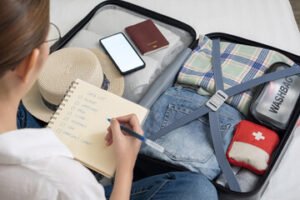
Packing should give you peace of mind, not stress. With a clear travel packing checklist, you stay prepared, feel safer, and avoid the worry of forgetting something important.
Focus on comfort, security, and essentials that support your well-being on the road. A little preparation goes a long way when you’re traveling, and the more organized you are, the more freedom you’ll feel to enjoy every moment of your journey.
FAQs: Travel Packing Checklist
1. Why is a travel packing checklist important?
It helps you stay organized, reduces stress before leaving, and ensures you pack the essentials needed for safety, comfort, and peace of mind during your trip.
2. What should I prioritize when packing for a trip?
Start with identification documents, medications, basic first-aid items, hygiene essentials, and any personal safety tools you rely on. After that, add clothing and convenience items.
3. How can I avoid overpacking?
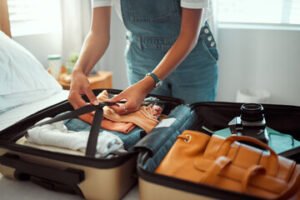
Plan outfits based on your itinerary, choose versatile items you can mix and match, and stick to the essentials. Using packing cubes also helps keep everything streamlined.
4. What safety items should I bring while traveling?
Keep a portable lock, a small first-aid kit, backup copies of travel documents, and any personal safety devices that make you feel secure.
5. How early should I prepare my packing checklist?
Ideally, start a few days to a week before your trip. This gives you time to review, add missing items, and pack calmly without rushing.