Why Travel Makes Me Anxious is a question many people ask themselves after finally booking the trip they’ve been dreaming about. The flights are confirmed. Your hotel is reserved. Friends tell you how exciting it will be. Yet instead of feeling excited, your mind starts racing.
“What if something goes wrong?”
“What if I miss my flight?”
“What if I panic on the plane?”
“What if I get sick in another country?”
“What if I simply can’t handle being away from home?”
If these thoughts sound familiar, you’re far from alone.
Many people wonder, “Why travel makes me anxious?” long before they even leave home. For some, anxiety begins while booking a trip.
Others feel nervous only a few days before departure, while some experience overwhelming panic at the airport.
Travel is often presented as something everyone should naturally enjoy. Social media is filled with beautiful destinations, smiling travelers, and unforgettable adventures.
What those images rarely show are the sleepless nights, racing thoughts, stomach aches, or fear that many travelers quietly experience.
Travel anxiety isn’t a sign of weakness. It’s your brain trying to protect you from situations it perceives as uncertain or unfamiliar.
Whether you’re planning your very first vacation, preparing to travel alone, worried about flying, or simply overwhelmed by the unknown, these feelings are more common than you might think.
In this guide, you’ll learn:
- Why travel can trigger anxiety
- Common travel anxiety symptoms
- Why does your brain react this way
- Whether travel anxiety is normal
- Practical strategies that actually help
- When anxiety may require professional support
By the end of this guide, you’ll have a clearer understanding of your anxiety and, more importantly, practical ways to manage it so you can enjoy traveling with greater confidence.
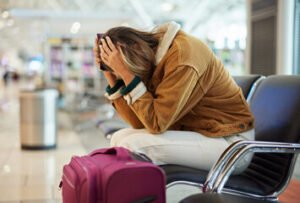
What Is Travel Anxiety and Why Travel Makes Me Anxious
Travel anxiety is the emotional and physical stress some people experience before or during a trip.
Unlike ordinary pre-trip excitement, travel anxiety can make everyday travel tasks feel overwhelming. Booking flights, packing luggage, navigating airports, or staying somewhere unfamiliar may trigger excessive worry that feels difficult to control.
Travel anxiety isn’t officially classified as a separate mental health disorder. Instead, it’s often connected to generalized anxiety, panic disorder, social anxiety, obsessive thinking, or specific fears such as flying or being away from home.
It can affect anyone, including:
- First-time travelers
- Solo travelers
- Introverts
- Parents traveling with children
- Business travelers
- People who previously had a bad travel experience
- Individuals with anxiety disorders or OCD tendencies
Many travelers assume they are the only ones who feel this way. In reality, countless people quietly experience similar fears but rarely talk about them.
Why does travel make me anxious?
If you’ve ever searched “Why Travel Makes Me Anxious?”, you’re probably looking for more than a simple explanation.
You’re trying to understand why something that should be exciting feels so stressful. The answer lies in how our brains are wired.
Your brain constantly evaluates situations for potential danger. Travel introduces several elements that naturally increase uncertainty, such as:
- New environments
- Unpredictable schedules
- Crowded places
- Language barriers
- Transportation delays
- Separation from familiar routines
- Fear of making mistakes
For someone who enjoys routine and predictability, these changes can activate the brain’s stress response.
Imagine your brain as an overly cautious travel companion.
Instead of saying, “This trip will be amazing,” it says:
- “What if the flight is delayed?”
- “What if you lose your passport?”
- “What if nobody speaks English?”
- “What if you have a panic attack?”
Your brain isn’t trying to ruin your trip. It’s trying to prepare you for every possible outcome, even unlikely ones.
The challenge is that anxiety often overestimates danger while underestimating your ability to cope.
Understanding this can be surprisingly reassuring. It shifts the focus from believing that something is wrong with you to recognizing that your mind is reacting to uncertainty.
Why Travel Makes Me Feel More Stressful Than Everyday Life
Travel temporarily removes many of the routines that make us feel safe.
At home, you know:
- Where everything is
- How to get around
- What does your daily schedule look like
- Whom can you ask for help
- Where to buy food
- Which places feel familiar
Travel replaces that comfort with constant decision-making.
You might need to:
- Navigate unfamiliar airports.
- Read signs in another language.
- Adjust to a different time zone.
- Figure out local transportation.
- Manage unexpected delays.
- Sleep in a new environment.
Even positive changes require mental energy. For someone already prone to anxiety, this increased mental load can quickly become exhausting.
Why Do I Feel So Anxious About Travelling?
There isn’t one single reason. Travel anxiety usually develops from several factors working together.
Here are some of the most common causes.
1. Fear of Losing Control Causes Travel Anxiety
Many anxious travelers feel safest when they can predict what will happen next.
Travel naturally involves uncertainty.
Flights get delayed.
The weather changes.
Plans shift.
When control decreases, anxiety often increases.
2. Fear of the Unknown Makes Travel Feel Anxious
The unfamiliar can feel intimidating.
Questions like these may constantly run through your mind:
- Will I get lost?
- What if I can’t find my hotel?
- What if I don’t understand local customs?
- What if something unexpected happens?
Your imagination fills in the gaps, often with worst-case scenarios.
3. Previous Bad Trips Can Make Travel Anxiety Worse
A difficult travel experience can make future trips feel threatening.
Examples include:
- Missing a flight
- Losing luggage
- Getting sick abroad
- Experiencing severe turbulence
- Being scammed
- Feeling stranded
Even if those events happened years ago, your brain may still associate travel with danger.
4. Fear of Flying Is a Common Reason Travel Makes Me Anxious
For many people, travel anxiety starts before reaching the destination.
Airplanes create several common fears:
- Lack of control
- Turbulence
- Heights
- Enclosed spaces
- Panic attacks during the flight
These concerns often become stronger as departure day approaches.
5. Being Away From Home Can Trigger Travel Anxiety
Home provides familiarity, comfort, and routine.
Leaving that environment can trigger anxiety, especially for people who rely on predictable surroundings to feel calm.
Some travelers even experience homesickness before the trip begins.
6. Perfectionism Can Make You Anxious About Traveling
Many anxious travelers feel pressure for everything to go perfectly.
They worry about:
- Forgetting important documents
- Packing the wrong clothes
- Missing transportation
- Making expensive mistakes
Ironically, this desire for a perfect trip often creates more stress than the trip itself.
7. Overthinking Is a Major Cause of Travel Anxiety
Overthinking can turn simple travel decisions into overwhelming challenges.
Questions such as:
- Should I leave two hours early or three?
- What if airport security takes longer than expected?
- Did I book the correct dates?
- Should I bring another pair of shoes?
- Did I remember my passport?
Each question seems reasonable on its own.
Together, they create a constant cycle of worry that drains your energy before your trip even begins.
Travel Anxiety Symptoms: Signs Why Travel Makes Me Anxious
Travel anxiety affects more than your thoughts. It can also cause noticeable physical and emotional symptoms.
Some people experience only mild nervousness, while others feel symptoms intense enough to consider canceling their trip.
The good news is that these reactions are common and don’t necessarily mean you’re in danger.
| Physical Symptoms | Emotional & Mental Symptoms |
| Racing heartbeat | Constant worrying |
| Sweating | Feeling overwhelmed |
| Upset stomach | Irritability |
| Nausea | Fear of losing control |
| Headaches | Difficulty concentrating |
| Muscle tension | Catastrophic thinking |
| Trouble sleeping | Feeling trapped |
| Shortness of breath | Panic before departure |
| Fatigue | Doubting your ability to travel |
Symptoms often begin days or even weeks before departure.
Many travelers notice that their anxiety gradually fades once they’ve safely arrived and settled into their destination.
This pattern can be comforting to recognize because it reminds you that the anticipation is often more stressful than the trip itself.
Is It Normal to Wonder Why Travel Makes Me Anxious?
Absolutely. Millions of people experience some level of travel anxiety each year.
Despite how common it is, many travelers keep these feelings to themselves because they worry others won’t understand.
You might even compare yourself to friends who seem fearless on social media and wonder why traveling feels so much harder for you.
The reality is that travel confidence develops over time. Many experienced travelers once felt the same way before their first solo flight, international vacation, or unfamiliar journey.
Feeling anxious doesn’t mean you’re “bad at traveling.” It means you’re stepping outside your comfort zone, and that’s where growth often begins.
Instead of trying to eliminate every anxious thought, aim to build confidence through preparation, realistic expectations, and small successes.
Each trip teaches your brain that you can handle uncertainty more effectively than it initially believed.
Could Why Travel Makes Me Anxious Be Hodophobia?
If you’ve ever wondered whether there’s a name for the intense fear you experience before a trip, the answer is yes.
The fear of traveling is called hodophobia. It refers to a persistent fear or anxiety related to travel, whether by plane, train, car, bus, or even walking long distances from home.
Not everyone with travel anxiety has hodophobia. Many people simply experience nervousness before a trip, while others have anxiety severe enough to interfere with work, vacations, or family events.
For example:
- Someone with mild travel anxiety may feel nervous before boarding a plane but still complete the trip.
- Someone with hodophobia may avoid traveling altogether, even if it means missing important opportunities or experiences.
Recognizing the difference is important because it helps you understand when self-help strategies may be enough and when professional support could make a significant difference.
Common Reasons Why Travel Makes Me Anxious
Travel anxiety rarely has a single cause. More often, it develops from a combination of thoughts, past experiences, personality traits, and physical stress.
Understanding what triggers your anxiety is the first step toward managing it.
1. Fear of Flying
Flying is one of the most common travel-related fears.
Even though commercial aviation is one of the safest forms of transportation, it can still feel intimidating because you have little control over what happens once you’re on board.
Common worries include:
- Turbulence
- Takeoff and landing
- Heights
- Claustrophobia
- Panic attacks during the flight
- Fear of a medical emergency
What helps?
Instead of focusing on worst-case scenarios, try to learn how flights actually work. Understanding what turbulence is and why planes are built to withstand it can reduce uncertainty.
Many nervous flyers also find comfort in choosing an aisle seat, bringing calming music, or practicing breathing exercises during takeoff.
2. Fear of Leaving Your Comfort Zone
Home is predictable.
You know where everything is, how your daily routine works, and who you can rely on.
Travel temporarily removes those comforts.
Simple tasks finding transportation, ordering food, or navigating unfamiliar streets may suddenly feel overwhelming.
Your brain interprets these unfamiliar situations as potential threats, even when they aren’t dangerous.
3. Fear of Being Far From Help
Some travelers constantly ask themselves:
- What if I get sick?
- What if I lose my passport?
- What if my phone stops working?
- What if I need help and don’t know who to ask?
These thoughts often create a feeling of vulnerability.
The good news is that modern travel is much more connected than many people realize. Hotels, airlines, embassies, travel insurance providers, translation apps, and emergency services are available in most destinations.
Preparing emergency contacts before you leave can provide reassurance without feeding anxiety.
4. Information Overload
Today’s travelers have access to endless advice.
One video says to arrive three hours early.
Another says two hours is enough.
One blog warns about pickpockets.
Another talks about travel scams.
Then social media fills your feed with stories of delayed flights, lost luggage, and travel disasters.
While information is helpful, too much information can make your brain believe these events happen all the time.
Remember that people are much more likely to share unusual experiences than routine, successful trips.
5. Pressure to Have the “Perfect” Trip
Many people unknowingly place enormous pressure on themselves.
They think:
- This vacation has to be perfect.
- I spent a lot of money.
- I can’t make any mistakes.
- Everyone else seems to travel effortlessly.
The reality is that every traveler experiences small inconveniences.
Flights get delayed.
Maps are confusing.
Weather changes.
Sometimes the most memorable travel stories come from the unexpected moments rather than the perfectly planned ones.
6. Social Anxiety While Traveling
For some people, the destination isn’t the problem.
The people are.
Travel often involves interacting with strangers:
- Airport security
- Hotel staff
- Taxi drivers
- Restaurant servers
- Immigration officers
- Tour guides
If social situations already make you anxious, travel can multiply those feelings.
Preparing simple phrases, downloading translation apps, and reminding yourself that travel professionals help nervous visitors every day can reduce this pressure.
7. OCD Tendencies and Overplanning
Many anxious travelers cope by trying to control every detail.
They may repeatedly:
- Check flight confirmations.
- Count packed items.
- Re-read hotel reservations.
- Refresh weather forecasts.
- Double-check passports.
Preparation is healthy.
Compulsive checking is not.
If you notice yourself repeatedly checking the same information without gaining reassurance, it may help to set limits for example, checking your booking once each evening rather than every hour.
How Travel Anxiety Affects Your Body
Travel anxiety isn’t “just in your head.”
It activates your body’s natural fight-or-flight response.
When your brain believes you’re facing danger, it releases stress hormones such as adrenaline.
These hormones prepare your body to respond quickly.
That’s why you may notice symptoms like:
| What Happens | Why It Happens |
| Fast heartbeat | Your body prepares for action. |
| Sweaty palms | Stress hormones increase perspiration. |
| Upset stomach | Digestion slows during stress. |
| Shaking | Muscles become more alert. |
| Dizziness | Rapid breathing changes oxygen levels. |
| Trouble sleeping | Your brain remains on high alert. |
These sensations can feel frightening, but they are not necessarily signs that something is medically wrong.
Understanding your body’s stress response often makes the symptoms feel less alarming.
How to Cope When Travel Makes Me Anxious
The goal isn’t to eliminate anxiety completely.
It’s to prevent anxiety from making your decisions for you.
Here are practical strategies that many travelers find helpful.
1. Use the 3-3-3 Rule for Travel Anxiety
One simple grounding exercise is known as the 3-3-3 rule.
When you notice anxious thoughts taking over:
- Name three things you can see.
- Name three sounds you can hear.
- Move three parts of your body, such as your fingers, shoulders, or feet.
This technique shifts your attention away from racing thoughts and back to your surroundings.
It doesn’t remove anxiety instantly, but it often reduces its intensity enough for you to regain focus.
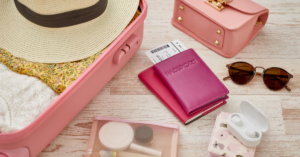
2. Prepare for Travel Without Overpreparing
Preparation builds confidence.
Perfectionism builds stress.
Aim to complete the essentials:
- Passport
- Tickets
- Accommodation
- Travel insurance
- Emergency contacts
- Medications
- Phone charger
Once those are ready, give yourself permission to stop planning.
3. Focus on One Step at a Time to Reduce Travel Anxiety
Instead of thinking about the entire journey, focus only on the next task.
For example:
- Pack your bag.
- Get to the airport.
- Find your gate.
- Board the plane.
- Watch one movie.
- Arrive at your hotel.
Breaking travel into smaller steps makes it feel much more manageable.
4. Create Familiar Routines While Traveling
Small routines provide comfort in unfamiliar places.
Consider bringing:
- Your favorite hoodie
- A familiar pillowcase
- Herbal tea
- A comforting playlist
- A journal
- A favorite book
These familiar items can help your brain feel safer, even in a new environment.
5. Stop Catastrophic Thinking Before You Travel
Ask yourself:
“Is this thought based on evidence, or is it based on fear?”
Instead of thinking:
“Something terrible will happen.”
Replace it with:
“Travel involves uncertainty, but most trips go smoothly, and I can handle small problems if they arise.”
6. Arrive Early to Reduce Travel Anxiety
Running late increases stress for anyone.
Arriving early at airports, train stations, or bus terminals allows you to settle in, use the restroom, grab a drink, and mentally adjust before your journey begins.
A little extra time can dramatically reduce last-minute panic.
7. Celebrate Small Travel Wins
Confidence grows through experience.
Celebrate achievements like:
- Booking your first trip.
- Packing independently.
- Going through airport security.
- Boarding the plane.
- Ordering food in another country.
- Asking for directions.
Each success teaches your brain that travel is something you can handle.
What Are the 7 Ways to Stop Anxiety?
There isn’t a universal cure for anxiety, but these seven habits consistently help many people manage anxious feelings before and during travel.
- Practice slow, controlled breathing.
- Challenge catastrophic thoughts with realistic ones.
- Stay physically active before your trip.
- Get enough sleep in the days leading up to departure.
- Reduce caffeine if it increases your anxiety.
- Stay connected with supportive friends or family.
- Focus on what you can control rather than what you can’t.
The goal isn’t to eliminate uncertainty; it is to become more comfortable living with it.
What Is the 6:30 PM Rule for Anxiety?
You may have seen the 6:30 PM rule mentioned online.
Rather than being a medically recognized treatment, it’s a self-management strategy that encourages you to stop planning, researching, or worrying about your trip after a set evening time such as 6:30 PM.
The idea is simple:
- Finish your travel preparation earlier in the day.
- Avoid endless checking of weather forecasts or flight updates unless necessary.
- Give your brain time to relax before bed.
- Create a calming evening routine instead of feeding anxious thoughts.
For many people, limiting late-night overthinking leads to better sleep and a calmer mindset before departure.
If your anxiety is severe or persistent, however, this technique should be viewed as one helpful habit rather than a replacement for professional care.
Treatment Options if Travel Makes Me Anxious
For many people, travel anxiety improves with preparation, experience, and practical coping strategies. However, if your anxiety is so intense that it causes you to cancel trips, avoid important events, or experience frequent panic attacks, it may be time to seek professional support.
There is no one-size-fits-all solution. The most effective treatment depends on the cause and severity of your anxiety.
1. CBT for Travel Anxiety
CBT is one of the most effective treatments for anxiety disorders. It helps you identify unhelpful thought patterns and replace them with more balanced, realistic thinking.
For example, instead of believing:
“If my flight is delayed, my entire trip will be ruined.”
CBT encourages you to reframe that thought:
“Flight delays are frustrating, but they are common, and airlines have procedures to help passengers.”
Over time, this approach helps reduce the emotional impact of anxious thoughts.
2. Exposure Therapy for Travel Anxiety
Avoiding travel may provide temporary relief, but it often strengthens anxiety in the long run.
Gradual exposure involves taking small, manageable steps toward your goal.
For example:
- Visit your local airport without flying.
- Take a short train journey.
- Spend one night away from home.
- Book a weekend trip nearby.
- Plan a longer domestic vacation.
- Build confidence before attempting international travel.
Each successful experience teaches your brain that travel is not as dangerous as it imagined.
3. Relaxation Techniques for Travel Anxiety
Simple relaxation practices can help calm your nervous system before and during a trip.
These include:
- Deep breathing exercises
- Progressive muscle relaxation
- Guided meditation
- Mindfulness exercises
- Gentle stretching
- Journaling your thoughts before departure
Even 10 minutes of relaxation each day can make a noticeable difference over time.
4. Professional Help for Severe Travel Anxiety
If anxiety is interfering with your daily life, consider speaking with a licensed mental health professional.
A therapist can help you identify the root causes of your anxiety and develop personalized coping strategies.
Seeking help is a sign of self-awareness not weakness.
What Is the Best Thing to Take for Travel Anxiety?
Many travelers search for a quick solution, but the “best” option depends on your individual needs and should be discussed with a healthcare professional.
Possible options include:
| Option | How It May Help |
| Deep breathing techniques | Helps slow the body’s stress response. |
| Noise-canceling headphones | Reduces overwhelming environmental noise. |
| Comfort items | Familiar objects can increase feelings of safety. |
| Herbal teas | Some people find caffeine-free herbal teas relaxing. |
| Travel journal | Helps process anxious thoughts instead of holding them in. |
| Prescription medication | May be appropriate for some individuals under medical supervision. |
If you’re considering medication for travel anxiety, always consult your doctor before your trip. Never take a medication for the first time on travel day without medical guidance.
What Vitamins Are Good for Panic Attacks and Anxiety?
Some people wonder whether vitamins can reduce anxiety.
While vitamins are not a cure for panic attacks or travel anxiety, correcting a nutritional deficiency may support overall mental health.
Your healthcare provider may recommend testing for deficiencies before starting supplements.
Nutrients commonly associated with healthy nervous system function include:
- Vitamin D
- Vitamin B12
- Vitamin B6
- Folate
- Magnesium
- Omega-3 fatty acids
Only take supplements if they are appropriate for your individual health needs and recommended by a qualified healthcare professional.
Tips if Travel Makes Me Anxious Before My First Trip
If you’re preparing for your first trip, these practical habits can make your journey feel much more manageable.
Before You Leave
- Research your destination without overwhelming yourself.
- Save copies of important documents.
- Download offline maps.
- Share your itinerary with a trusted family member or friend.
- Pack your medications in your carry-on bag.
- Charge all essential devices.
- Arrive at the airport early.
During Your Journey
- Drink enough water.
- Eat regular meals.
- Avoid too much caffeine if it increases your anxiety.
- Listen to calming music or podcasts.
- Practice the 3-3-3 grounding exercise whenever you feel overwhelmed.
- Remember that anxious feelings usually pass.
After You Arrive
Permit yourself to slow down. You don’t need to explore everything on your first day.
Take a short walk, enjoy a familiar meal if possible, and allow your body time to adjust to its new surroundings.
Mistakes That Make Travel Anxiety Worse
Many first-time travelers unintentionally increase their anxiety through habits that seem helpful but actually make stress worse.
Avoid these common mistakes:
1. Trying to Plan Every Minute
A flexible itinerary often leads to a more enjoyable trip than an overly packed schedule.
2. Reading Too Many Horror Stories
Online forums tend to highlight unusual experiences rather than ordinary, successful trips.
3. Packing “Just in Case”
Overpacking creates heavier luggage and more decisions.
Focus on essentials instead.
4. Skipping Sleep
Lack of sleep makes anxious thoughts feel more intense.
Aim for a consistent bedtime before your trip.
5. Drinking Too Much Caffeine
Coffee and energy drinks can increase symptoms such as a racing heart, shaking, and nervousness.
6. Expecting Yourself to Feel Calm All the Time
Confidence isn’t the absence of anxiety.
It’s moving forward despite feeling nervous.
Travel Anxiety Checklist for Nervous Travelers
Use this checklist a day or two before you leave to feel more prepared and reduce last-minute stress.
Documents
- Passport or ID
- Boarding pass or tickets
- Hotel confirmations
- Travel insurance details
- Emergency contact information
Packing
- Medications
- Phone charger
- Power bank
- Comfortable clothes
- Toiletries
- Reusable water bottle
- Headphones
- Comfort item
Mental Preparation
- Practice deep breathing.
- Review your itinerary once.
- Avoid endless checking.
- Get enough sleep.
- Eat a healthy meal.
- Remind yourself why you’re taking this trip.
Accept that small problems are part of traveling and that you can handle them.
Final Thoughts: Why Travel Makes Me Anxious Doesn’t Have to Define Your Journey
If you’ve been asking yourself, “Why Travel Makes Me Anxious?”, remember that anxiety doesn’t mean you’re incapable of exploring the world.
It simply means your mind is trying to protect you from uncertainty. The encouraging news is that confidence isn’t something you’re born with it’s something you build.
Every boarding pass you scan, every new city you navigate, every conversation you have with a stranger, and every challenge you overcome teach your brain an important lesson: you are more capable than your anxiety tells you.
Start small if you need to.
Take a weekend getaway instead of a month-long adventure. Choose a familiar destination before venturing somewhere completely new. Celebrate every milestone, no matter how minor it may seem.
Travel isn’t about being fearless. It’s about discovering that you can experience fear and still create unforgettable memories.
At Newbie Travels, we believe every confident traveler was once a beginner. Your anxiety may be part of your story today, but it doesn’t have to be the chapter that decides where your journey ends.
The world will still be waiting when you’re ready and with the right preparation and mindset, you’ll be ready sooner than you think.
Frequently Asked Questions
1. Is travel anxiety common?
Yes. Many people experience anxiety before or during travel, especially first-time travelers, solo travelers, and those visiting unfamiliar destinations.
2. Why do I feel so anxious about travelling?
Travel introduces uncertainty, unfamiliar environments, changes in routine, and situations outside your control. These factors can naturally trigger anxiety.
3. What is the fear of traveling called?
An intense fear of traveling is known as hodophobia. It can range from mild anxiety to a fear that prevents someone from traveling altogether.
4. Can travel anxiety cause panic attacks?
Yes. Some people experience panic attacks before departure, during flights, or after arriving in unfamiliar places. If panic attacks are frequent or severe, it’s important to seek professional support.
5. Does travel anxiety get better with experience?
For many people, yes. Each successful trip builds confidence and teaches your brain that you can cope with unfamiliar situations.
6. Should I cancel my trip because I feel anxious?
Feeling nervous doesn’t necessarily mean you shouldn’t travel. If your anxiety is manageable, preparation and coping strategies can help. If it’s overwhelming or affecting your health, speak with a healthcare professional before deciding.
7. Can children experience travel anxiety?
Absolutely. Children may worry about unfamiliar places, disrupted routines, or being away from home. Reassurance, preparation, and maintaining familiar routines can help them feel more secure.
8. When should I seek professional help?
Consider speaking with a mental health professional if your anxiety consistently prevents you from traveling, causes severe panic attacks, or significantly affects your quality of life.